
India is home to thousands of temples, but beyond the famous pilgrimage sites lies a fascinating world of hidden shrines that tell stories of forgotten kingdoms, ancient civilizations, and incredible craftsmanship. While millions of travelers visit well-known temples every year, several remarkable temples remain tucked away in forests, caves, hills, and remote villages. These hidden gems offer a peaceful spiritual experience along with a glimpse into India’s rich cultural heritage.
If you’re a history lover, photographer, architecture enthusiast, or simply someone looking to explore offbeat destinations, these hidden temples deserve a place on your travel bucket list. This guide explores some of the most incredible hidden temples in India with amazing history, along with practical travel information to help you plan your journey.
Why Visit Hidden Temples in India?
Hidden temples offer much more than religious significance. They preserve centuries of history, stunning architecture, and local traditions that have survived through generations.
Some reasons to visit these lesser-known temples include:
- Peaceful atmosphere away from tourist crowds
- Unique architecture rarely seen elsewhere
- Rich historical and mythological stories
- Beautiful natural surroundings
- Excellent photography opportunities
- Authentic local cultural experiences
Unlike heavily commercialized pilgrimage destinations, these temples provide visitors with a deeper understanding of India’s diverse heritage.
1. Lepakshi Temple, Andhra Pradesh
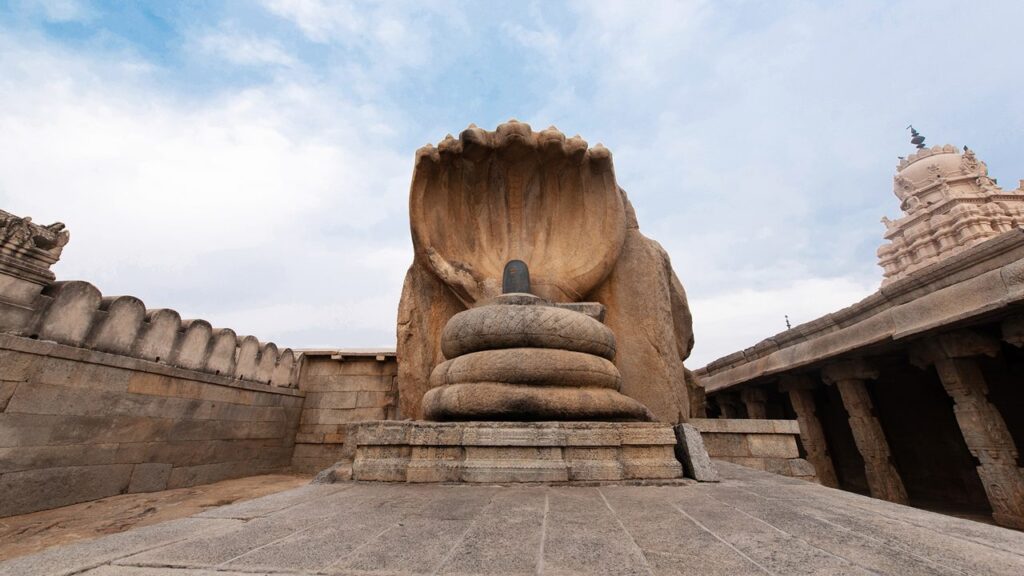
The Historical Significance
Located in the small village of Lepakshi, this magnificent temple was built during the 16th century under the Vijayanagara Empire. Dedicated to Lord Veerabhadra, the temple is famous for its mysterious hanging pillar, intricate carvings, and beautiful murals.
According to local legend, this is the place where Jatayu fell after fighting Ravana during the Ramayana. The name “Lepakshi” translates to “Rise, Bird,” believed to have been spoken by Lord Rama to the dying Jatayu.
Highlights
- The famous hanging pillar
- Massive monolithic Nandi statue
- Exquisite Vijayanagara architecture
- Ancient ceiling paintings
- Intricately carved stone pillars
Best Time to Visit
October to March offers pleasant weather for sightseeing.
How to Reach
- Nearest Airport: Bengaluru (120 km)
- Nearest Railway Station: Hindupur
- Well-connected by road from Bengaluru.
Estimated Budget
- Budget Trip: ₹2,000–₹3,500
- Comfortable Trip: ₹5,000–₹8,000
Local Food
Try authentic Andhra meals, spicy biryani, and traditional sweets in nearby towns.
Nearby Attractions
- Penukonda Fort
- Nandi Hills
- Hindupur
2. Chausath Yogini Temple, Madhya Pradesh
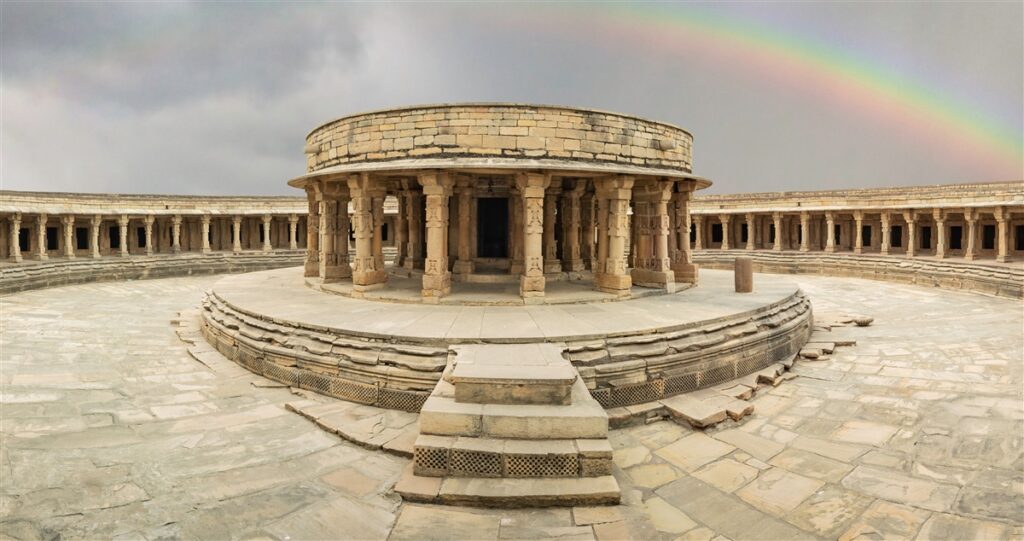
A Temple Dedicated to Ancient Tantric Traditions
Perched on a hill near Morena, this circular temple dates back to the 10th century and is dedicated to the 64 Yoginis. It is considered one of India’s oldest surviving open-air temples.
Many historians believe its circular architecture influenced the design of the Indian Parliament building.
Highlights
- Circular sandstone structure
- Stunning hilltop views
- Ancient tantric history
- Peaceful surroundings
Best Time to Visit
October to February.
How to Reach
- Nearest Airport: Gwalior
- Nearest Railway Station: Morena
- Taxi services available from Morena.
Estimated Budget
₹2,500–₹5,000
Local Food
Sample traditional Madhya Pradesh dishes including poha, dal bafla, and local sweets.
Nearby Attractions
- Gwalior Fort
- Bateshwar Temples
- National Chambal Sanctuary
3. Bhuleshwar Temple, Maharashtra
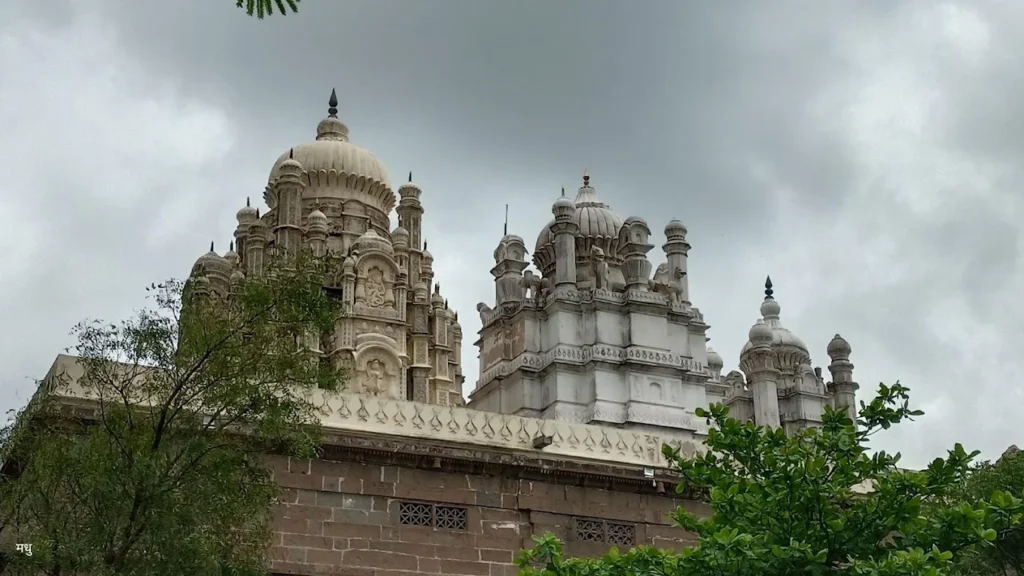
A Hidden Architectural Wonder
Located about 50 km from Pune, Bhuleshwar Temple appears more like a fort than a temple. Historians believe it was built during the 13th century by the Yadava dynasty.
Its fortress-like design helped protect it during invasions, making it one of India’s most unique temples.
Highlights
- Beautiful stone carvings
- Fort-like architecture
- Peaceful hilltop location
- Ancient sculptures
Best Time to Visit
July to February.
How to Reach
Drive from Pune via Solapur Highway.
Estimated Budget
₹1,500–₹4,000
Local Food
Enjoy Maharashtrian specialties like misal pav, bhakri, and puran poli.
Nearby Attractions
- Purandar Fort
- Jejuri Temple
- Sinhagad Fort
4. Masroor Rock Cut Temples, Himachal Pradesh
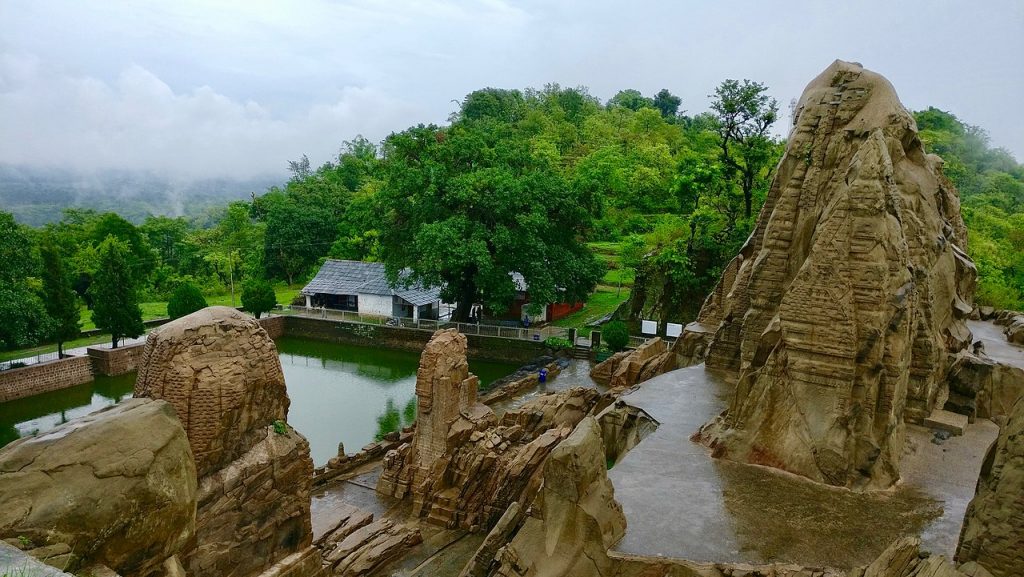
India’s Hidden Rock-Cut Marvel
Often compared to the famous cave temples of western India, the Masroor Rock Cut Temples are carved from a single sandstone rock. Built during the 8th century, these temples display remarkable craftsmanship.
Surrounded by the Himalayan landscape, they remain one of northern India’s least-visited historical treasures.
Highlights
- Monolithic rock-cut architecture
- Scenic mountain views
- Reflection pool
- Ancient carvings
Best Time to Visit
March to June and September to November.
How to Reach
Nearest Airport: Kangra Airport.
Estimated Budget
₹4,000–₹8,000
Local Food
Try Himachali Dham, siddu, and local trout dishes.
Nearby Attractions
- Kangra Fort
- Dharamshala
- Palampur
5. Kalugumalai Temple, Tamil Nadu
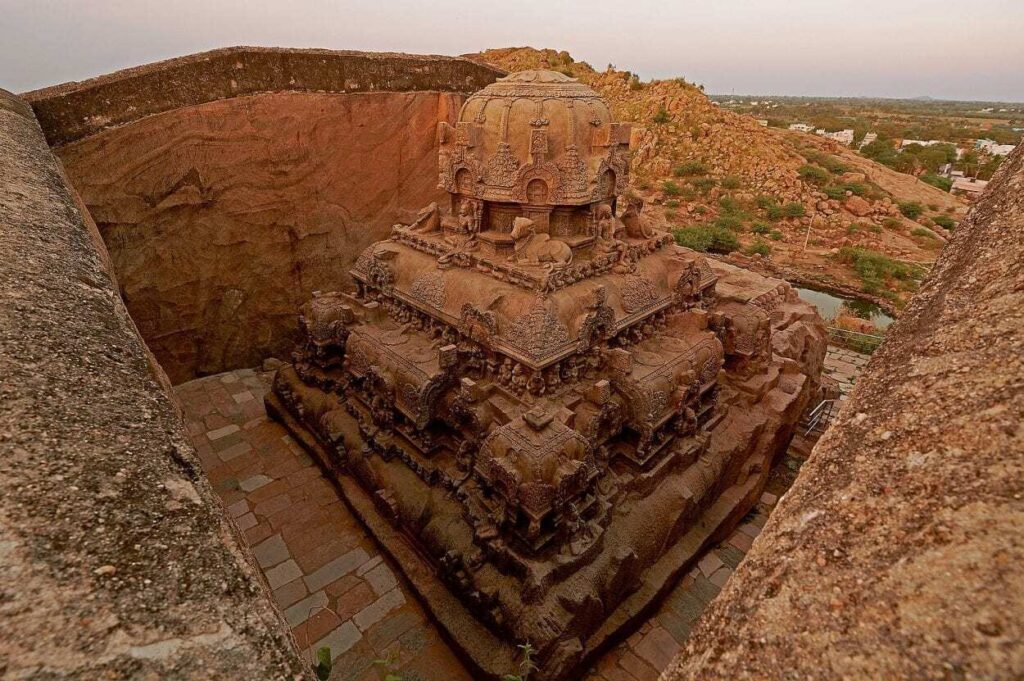
A Masterpiece Carved Into Rock
Kalugumalai Temple is among the finest examples of Pandya rock-cut architecture. Dating back over 1,200 years, the temple showcases extraordinary sculptures carved directly into granite hills.
Its isolated location keeps it away from heavy tourist crowds.
Highlights
- Rock-cut architecture
- Ancient Jain monuments nearby
- Incredible sculptures
- Quiet atmosphere
Best Time to Visit
November to February.
How to Reach
Nearest Railway Station: Kovilpatti.
Estimated Budget
₹2,000–₹5,000
Local Food
Taste authentic Tamil meals, dosa, idli, and filter coffee.
Nearby Attractions
- Ettayapuram
- Kovilpatti
- Courtallam Falls
6. Kakanmath Temple, Madhya Pradesh
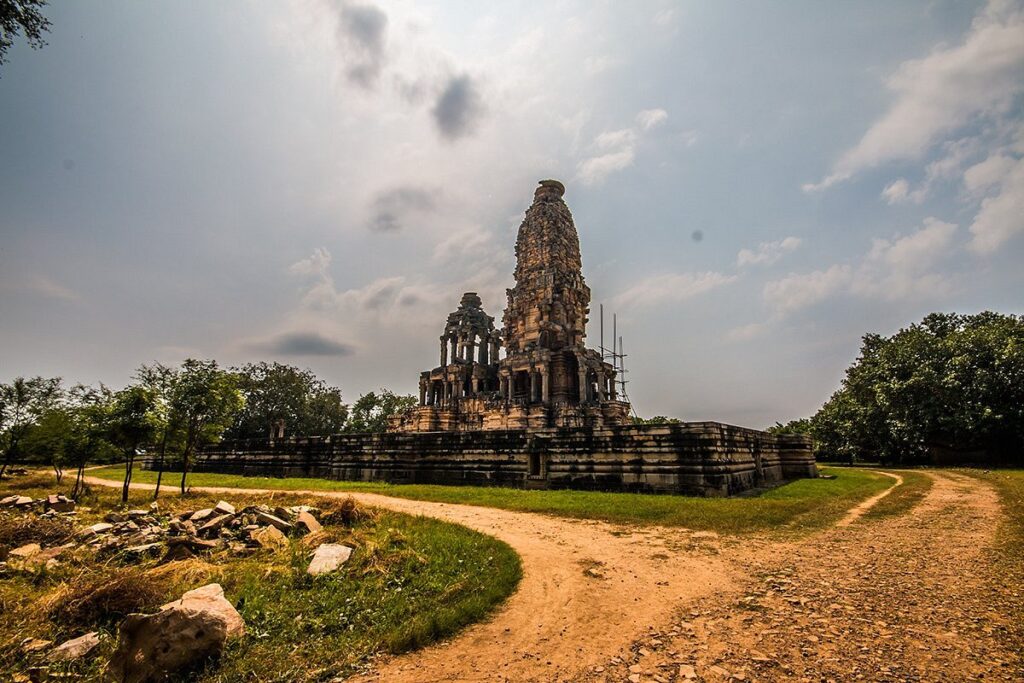
The Temple That Defies Gravity
Standing in the village of Sihoniya, Kakanmath Temple appears almost impossible to remain standing. Built without mortar, its massive stone blocks have survived nearly a thousand years despite earthquakes and harsh weather.
Many locals believe divine powers protect the temple.
Highlights
- Unique dry-stone construction
- Ancient Shiva temple
- Beautiful rural surroundings
- Mysterious architecture
Best Time to Visit
October to February.
How to Reach
Accessible from Gwalior by road.
Estimated Budget
₹2,000–₹5,000
Local Food
Enjoy local vegetarian dishes and traditional snacks.
Nearby Attractions
- Mitawali Temple
- Padavali Temple
- Gwalior
Tips for Visiting Hidden Temples in India
Planning ahead can make your journey smoother and more enjoyable.
- Dress modestly and respect local customs.
- Remove footwear before entering temple premises.
- Carry drinking water, especially in remote locations.
- Start early to avoid afternoon heat.
- Keep cash for local shops and transport.
- Hire local guides where available to understand the temple’s history.
- Avoid littering and help preserve heritage sites.
Best Time to Explore Hidden Temples in India
The ideal season depends on the region, but generally:
- October to March: Best weather for most destinations.
- July to September: Ideal for lush landscapes in western and southern India.
- Avoid peak summer in central India due to high temperatures.
Estimated Overall Travel Budget
Depending on your travel style, here’s a rough estimate for exploring multiple hidden temples:
| Travel Style | Budget Per Day |
|---|---|
| Budget Traveler | ₹1,500–₹2,500 |
| Mid-Range Traveler | ₹3,500–₹6,000 |
| Comfortable Traveler | ₹7,000–₹12,000 |
Costs include accommodation, local transport, meals, and entry fees where applicable.
Safety Tips
While these destinations are generally safe, many are located in remote areas.
- Inform someone about your travel plans.
- Carry offline maps.
- Travel during daylight hours.
- Respect photography restrictions inside temples.
- Stay hydrated, especially during long walks.
- Be cautious while exploring ancient structures with uneven surfaces.
Frequently Asked Questions (FAQs)
1. Which is the most beautiful hidden temple in India?
Lepakshi Temple and the Masroor Rock Cut Temples are among the most beautiful hidden temples because of their stunning architecture and fascinating history.
2. Are hidden temples safe for solo travelers?
Yes. Most hidden temples are safe during daytime. It’s advisable to avoid isolated areas after sunset and follow local guidance.
3. What should I wear while visiting these temples?
Wear comfortable, modest clothing that covers your shoulders and knees. Comfortable walking shoes are recommended, but you’ll need to remove them before entering temple premises.
4. Are there entry fees for these temples?
Most hidden temples have free entry, though parking or camera fees may apply at certain locations.
5. Can I visit these temples throughout the year?
Yes, but October to March is generally the best season due to pleasant weather and easier sightseeing conditions.
Conclusion
Exploring Hidden Temples in India with Amazing History offers far more than a regular sightseeing trip. These lesser-known treasures reveal remarkable stories of ancient dynasties, extraordinary craftsmanship, and enduring spiritual traditions that have quietly stood the test of time. From the mysterious hanging pillar of Lepakshi to the rock-cut brilliance of Masroor and the gravity-defying stones of Kakanmath, every destination provides a unique glimpse into India’s rich cultural legacy.
Whether you’re planning an offbeat road trip, a heritage-focused holiday, or a peaceful spiritual retreat, these hidden temples promise unforgettable experiences away from crowded tourist routes. Travel responsibly, respect local customs, and take time to appreciate the history behind each monument. Your journey through these remarkable temples will not only enrich your understanding of India’s past but also leave you with memories that last a lifetime.