
India is one of the world’s richest biodiversity destinations, offering incredible opportunities to experience wildlife in its natural habitat. From majestic Bengal tigers and Asian elephants to one-horned rhinoceroses and elusive snow leopards, the country’s national parks protect some of the planet’s most fascinating species. Whether you’re a passionate wildlife photographer, an adventure seeker, or simply someone who enjoys spending time in nature, India’s protected forests promise unforgettable experiences.
The Best National Parks in India for Wildlife Lovers are spread across different landscapes, including dense forests, wetlands, grasslands, deserts, and the Himalayan mountains. Each park offers a unique ecosystem, exciting safari adventures, and opportunities to witness rare wildlife.
This guide covers the top national parks in India, along with travel tips, safari information, estimated budgets, nearby attractions, local cuisine, and everything you need to plan a memorable wildlife adventure.
Why Visit National Parks in India?
India is home to more than 100 national parks, many of which are internationally recognized for wildlife conservation. These parks not only protect endangered animals but also preserve forests, rivers, wetlands, and local ecosystems.
Wildlife enthusiasts visit Indian national parks for:
- Tiger safaris
- Birdwatching opportunities
- Elephant sightings
- Jeep and boat safaris
- Nature photography
- Jungle camping experiences
- Eco-tourism activities
Many parks also support local communities through responsible tourism, making your visit meaningful and sustainable.
1. Jim Corbett National Park, Uttarakhand
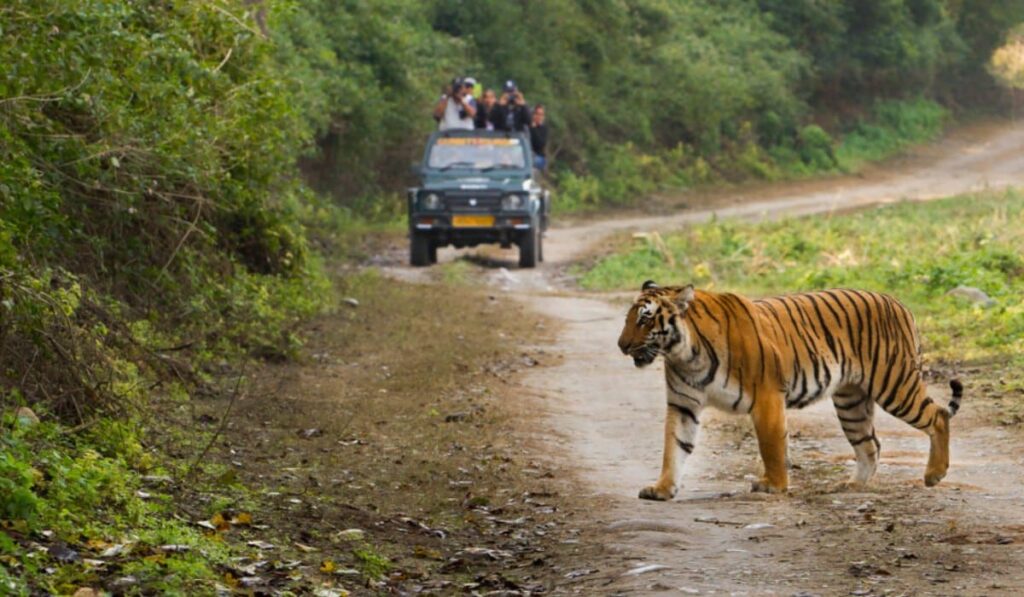
Jim Corbett National Park is India’s oldest national park and one of the most famous tiger reserves. Located in the foothills of the Himalayas, it attracts thousands of wildlife lovers every year.
Wildlife Highlights
- Bengal Tigers
- Asian Elephants
- Leopards
- Crocodiles
- More than 600 bird species
Best Time to Visit
November to June
How to Reach
- Nearest Airport: Pantnagar Airport (around 80 km)
- Nearest Railway Station: Ramnagar
Estimated Budget
- Budget Trip: ₹3,500–₹6,000 per person
- Comfortable Trip: ₹7,000–₹12,000
Nearby Attractions
- Garjiya Devi Temple
- Corbett Museum
- Kosi River
Local Food
Try Kumaoni dishes like Bhatt Ki Churkani, Aloo Ke Gutke, and Bal Mithai.
2. Ranthambore National Park, Rajasthan
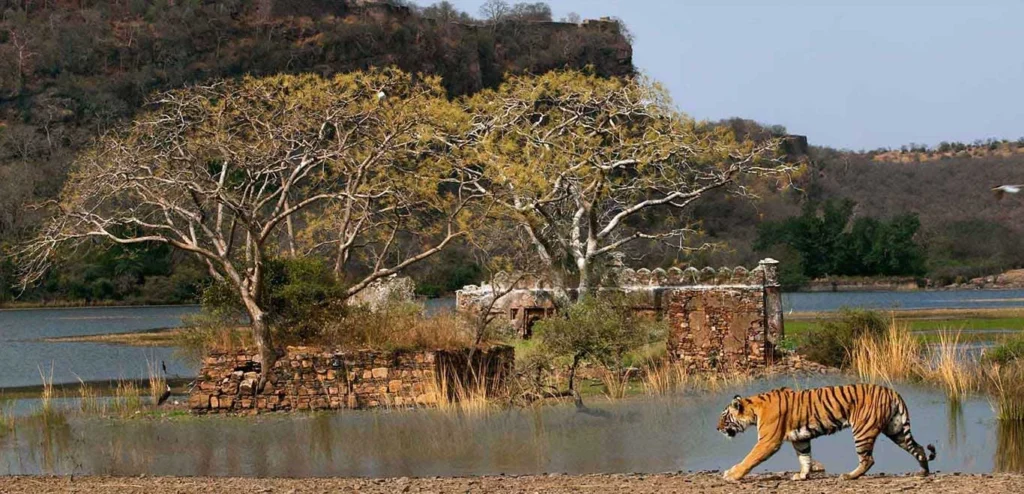
Ranthambore is among the best places in India to spot Bengal tigers in the wild. Its ancient fort, lakes, and dry deciduous forests create an unforgettable safari experience.
Wildlife Highlights
- Bengal Tigers
- Sloth Bears
- Leopards
- Hyenas
- Marsh Crocodiles
Best Time to Visit
October to April
How to Reach
- Nearest Railway Station: Sawai Madhopur
- Nearest Airport: Jaipur (180 km)
Estimated Budget
₹4,000–₹9,000 per person
Nearby Attractions
- Ranthambore Fort
- Surwal Lake
- Trinetra Ganesh Temple
Local Food
Enjoy Dal Baati Churma, Laal Maas, and traditional Rajasthani thalis.
3. Kaziranga National Park, Assam
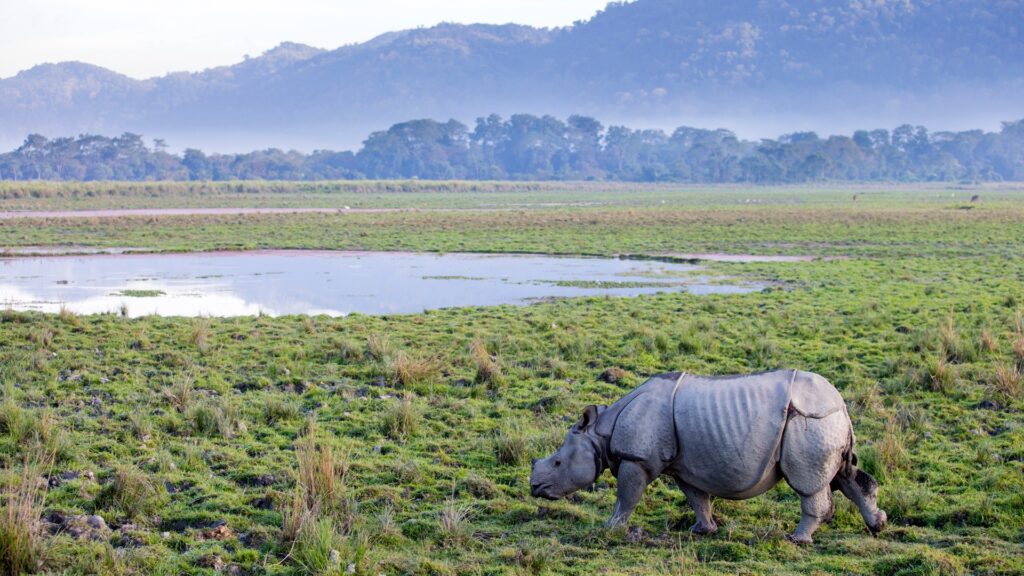
Kaziranga is a UNESCO World Heritage Site and the world’s largest habitat for the endangered one-horned rhinoceros.
Wildlife Highlights
- One-Horned Rhinoceros
- Wild Water Buffalo
- Asian Elephants
- Royal Bengal Tigers
- Swamp Deer
Best Time to Visit
November to April
How to Reach
- Nearest Airport: Jorhat
- Nearest Railway Station: Furkating
Estimated Budget
₹5,000–₹10,000 per person
Nearby Attractions
- Kaziranga Orchid Park
- Tea Gardens
- Brahmaputra River
Local Food
Taste Assamese cuisine including fish curry, bamboo shoot dishes, and pitha.
4. Bandhavgarh National Park, Madhya Pradesh
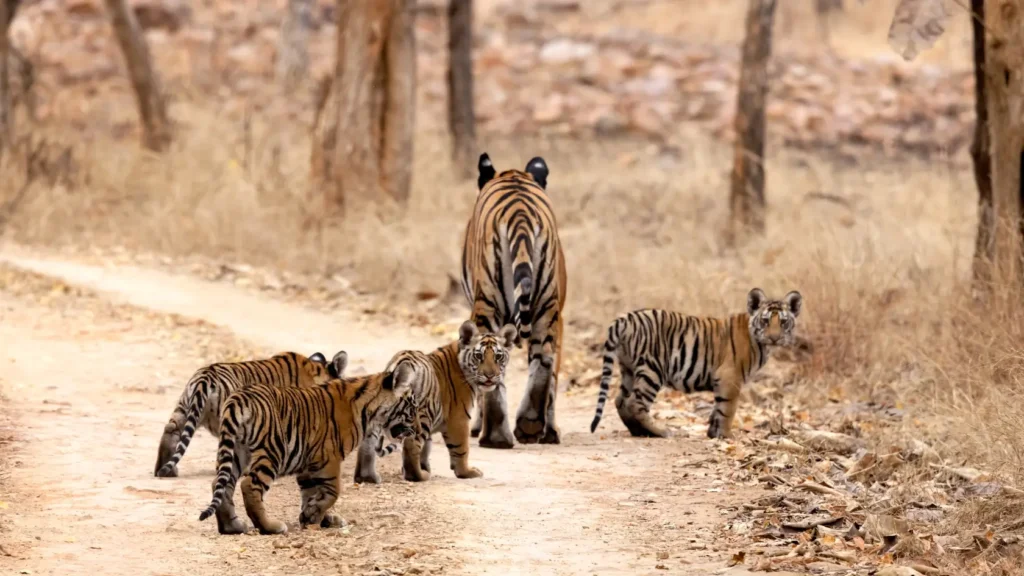
Bandhavgarh is known for having one of the highest tiger densities in India, making it an excellent destination for wildlife photography.
Wildlife Highlights
- Bengal Tigers
- Leopards
- Sambar Deer
- Wild Boars
- Indian Bison
Best Time to Visit
October to June
How to Reach
- Nearest Airport: Jabalpur
- Nearest Railway Station: Umaria
Estimated Budget
₹5,000–₹12,000 per person
Nearby Attractions
- Bandhavgarh Fort
- Shesh Shaiya
- Ancient caves
Local Food
Try Poha, Dal Bafla, and local tribal dishes.
5. Kanha National Park, Madhya Pradesh
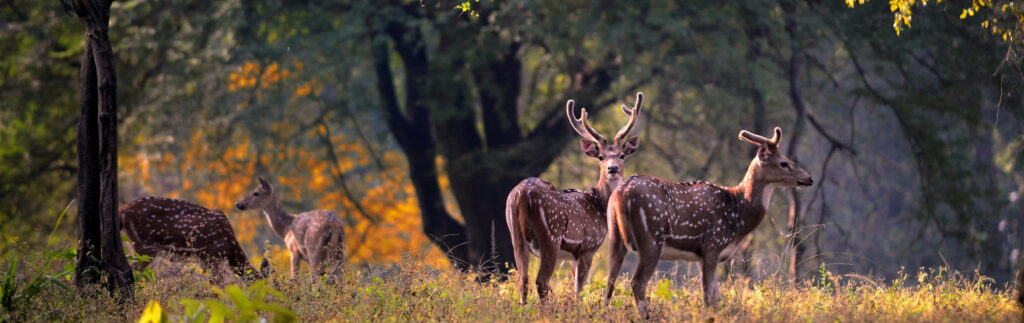
Kanha inspired Rudyard Kipling’s famous novel The Jungle Book. It features vast meadows, bamboo forests, and rich wildlife.
Wildlife Highlights
- Tigers
- Barasingha
- Leopards
- Wild Dogs
- Jackals
Best Time to Visit
October to June
How to Reach
- Nearest Airport: Jabalpur
- Nearest Railway Station: Gondia
Estimated Budget
₹5,000–₹11,000
Nearby Attractions
- Bamni Dadar
- Kanha Museum
- Kisli Zone
Local Food
Local Madhya Pradesh cuisine and tribal specialties are worth trying.
6. Sundarbans National Park, West Bengal
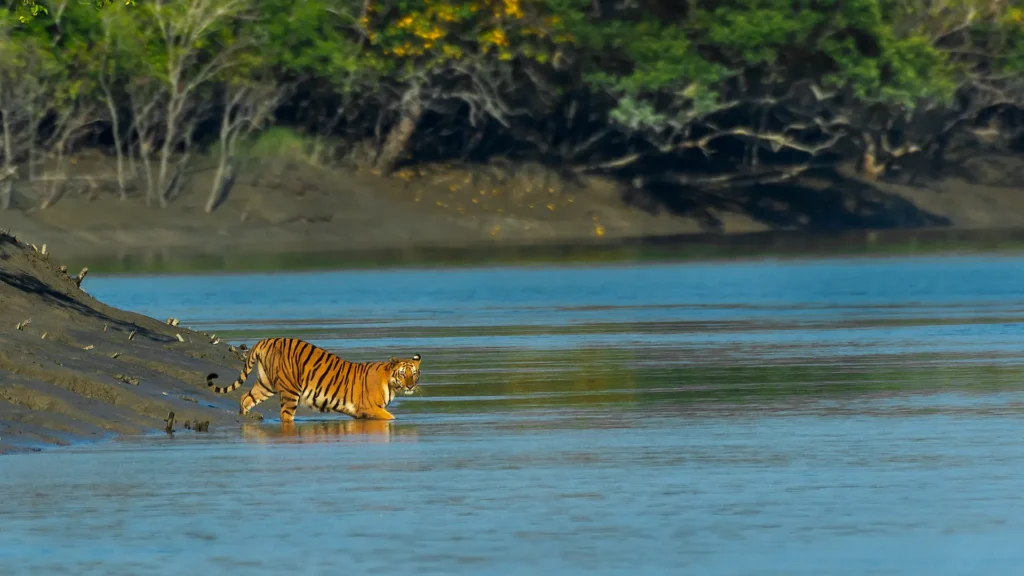
The Sundarbans is the world’s largest mangrove forest and a UNESCO World Heritage Site famous for its swimming Bengal tigers.
Wildlife Highlights
- Royal Bengal Tigers
- Saltwater Crocodiles
- Fishing Cats
- Monitor Lizards
- Dolphins
Best Time to Visit
October to March
How to Reach
Travel from Kolkata by road and boat.
Estimated Budget
₹6,000–₹12,000
Nearby Attractions
- Sajnekhali Watch Tower
- Dobanki Canopy Walk
- Sudhanyakhali Watch Tower
Local Food
Fresh seafood, Bengali fish curry, and sweets like Rasgulla and Sandesh.
7. Periyar National Park, Kerala
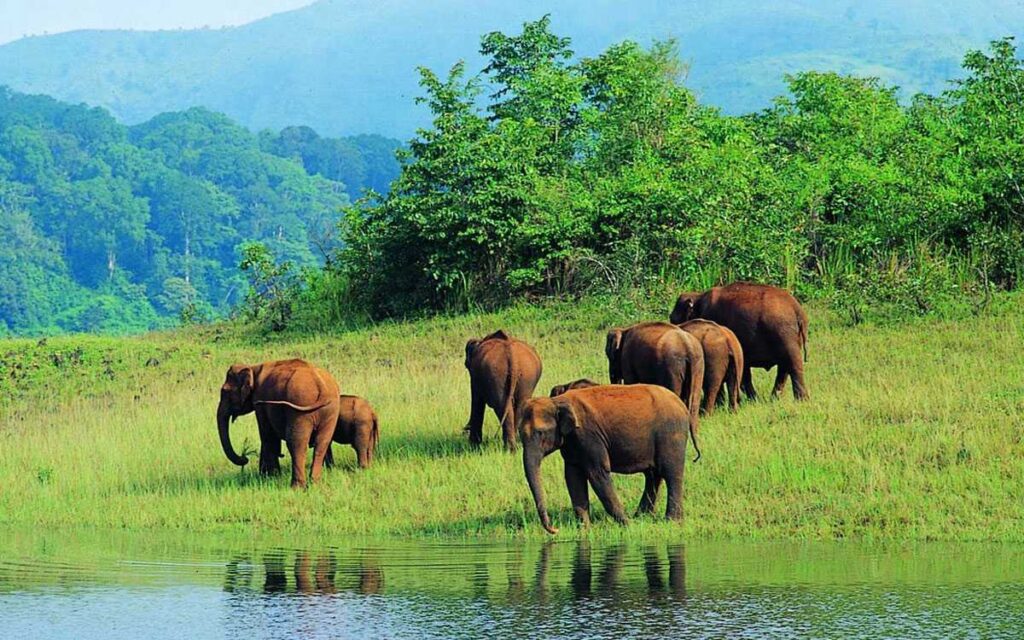
Periyar combines wildlife with scenic lake cruises, making it one of South India’s most peaceful wildlife destinations.
Wildlife Highlights
- Asian Elephants
- Tigers
- Nilgiri Langurs
- Gaur
- Sambar Deer
Best Time to Visit
September to March
How to Reach
- Nearest Airport: Madurai or Kochi
- Nearest Railway Station: Kottayam
Estimated Budget
₹5,000–₹10,000
Nearby Attractions
- Periyar Lake
- Spice Plantations
- Thekkady
Local Food
Kerala Sadya, Appam, Fish Curry, and Malabar Parotta.
8. Gir National Park, Gujarat
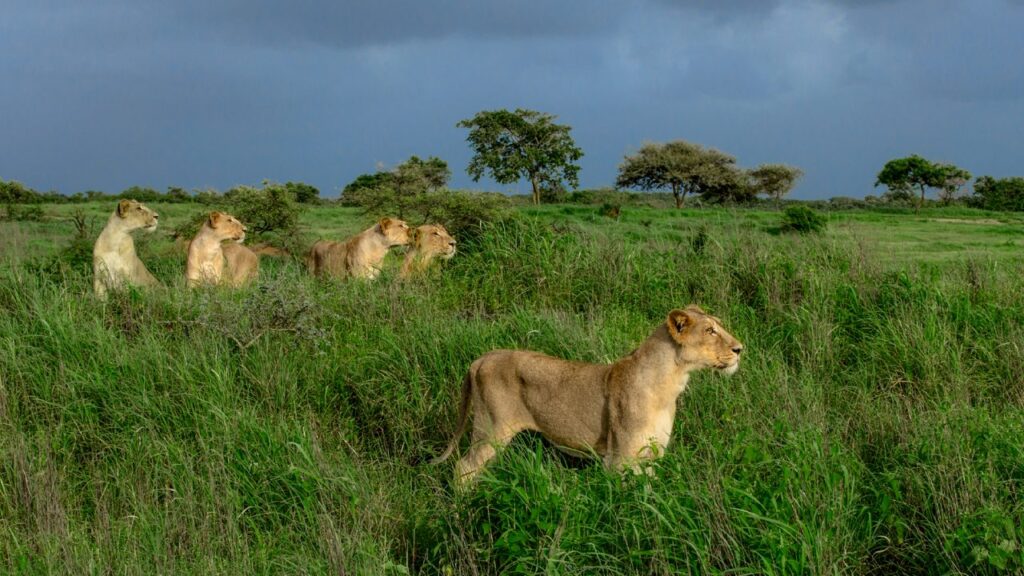
Gir is the only place in the world where Asiatic lions roam freely in the wild.
Wildlife Highlights
- Asiatic Lions
- Leopards
- Hyenas
- Nilgai
- Crocodiles
Best Time to Visit
December to March
How to Reach
- Nearest Airport: Rajkot
- Nearest Railway Station: Junagadh
Estimated Budget
₹4,500–₹9,000
Nearby Attractions
- Somnath Temple
- Devalia Safari Park
- Gir Interpretation Zone
Local Food
Gujarati thali, Thepla, Dhokla, and Fafda.
Best Time to Visit National Parks in India
The ideal season depends on the park, but generally:
- October to March offers pleasant weather and active wildlife.
- April to June provides better tiger sightings due to water scarcity.
- Monsoon months often see park closures because of heavy rainfall and breeding seasons.
Always check official park schedules before planning your trip.
Safari Tips for Wildlife Lovers
A successful wildlife safari depends on preparation and patience. Follow these tips:
- Book safari permits well in advance.
- Choose early morning safaris for better sightings.
- Wear earth-toned clothing.
- Carry binoculars and a good camera.
- Maintain silence inside the park.
- Follow the guide’s instructions.
- Avoid feeding or disturbing animals.
- Respect conservation rules at all times.
Estimated Wildlife Trip Budget
Here is a general estimate for a 2–3 day wildlife trip.
| Expense | Approximate Cost |
|---|---|
| Budget Hotel | ₹1,000–₹2,500 per night |
| Mid-range Hotel | ₹3,000–₹6,000 |
| Safari Ticket | ₹1,000–₹3,500 |
| Meals | ₹500–₹1,000 per day |
| Local Transport | ₹500–₹2,000 |
Luxury wildlife resorts can cost significantly more depending on the destination.
Responsible Wildlife Tourism
Protecting wildlife is everyone’s responsibility. Responsible tourism helps preserve India’s forests for future generations.
Keep these practices in mind:
- Never litter inside the park.
- Do not play loud music.
- Avoid using flash photography near animals.
- Support local guides and eco-friendly accommodations.
- Stay on designated safari routes.
- Never attempt to approach or feed wildlife.
Responsible behavior ensures both visitor safety and animal welfare.
Safety Tips
Before visiting any national park, remember these safety precautions:
- Carry valid ID proof.
- Stay hydrated during safaris.
- Wear comfortable walking shoes.
- Keep insect repellent handy.
- Listen carefully to forest officials.
- Never leave the safari vehicle unless instructed.
- Carry basic medicines and sunscreen.
Frequently Asked Questions
1. Which national park is best for tiger sightings in India?
Bandhavgarh, Ranthambore, Jim Corbett, and Kanha are among the best parks for spotting Bengal tigers.
2. Which national park is famous for one-horned rhinoceroses?
Kaziranga National Park in Assam is globally famous for conserving the endangered one-horned rhinoceros.
3. Which is the only place to see Asiatic lions?
Gir National Park in Gujarat is the only natural habitat of wild Asiatic lions.
4. Are wildlife safaris safe?
Yes. Safaris are generally very safe when conducted by authorized guides and when visitors follow all park regulations.
5. How many days are enough for a wildlife trip?
A stay of two to three days is ideal for enjoying multiple safari sessions and increasing your chances of wildlife sightings.
Conclusion
The Best National Parks in India for Wildlife Lovers offer much more than exciting safari adventures. They showcase India’s incredible natural heritage, diverse ecosystems, and remarkable conservation efforts. Whether you’re tracking tigers in Bandhavgarh, watching rhinos graze in Kaziranga, cruising through the mangroves of Sundarbans, or spotting Asiatic lions in Gir, every destination promises unforgettable memories.
Planning your trip during the right season, booking safaris in advance, and practicing responsible tourism will help you enjoy an enriching wildlife experience while contributing to the protection of these extraordinary habitats. If you’re passionate about nature, photography, or simply exploring India’s wild side, these national parks deserve a place on your travel bucket list.