
India is one of the world’s most rewarding travel destinations, offering everything from snow-covered mountains and golden deserts to tropical beaches, ancient temples, vibrant cities, and peaceful villages. The best part? You don’t need a huge budget to experience it all.
If you’ve ever dreamed of exploring India without spending a fortune, this guide will show you exactly how to plan a budget trip across India. Whether you’re a solo traveler, a backpacker, a student, or a family looking for affordable adventures, careful planning can help you travel longer while spending less.
In this complete guide, you’ll learn how to create a realistic budget, choose affordable destinations, save money on transportation and accommodation, enjoy local food, and travel safely across the country.
Why India Is Perfect for Budget Travelers
India offers excellent value compared to many international destinations. Public transportation is extensive, local food is inexpensive, and accommodation options range from budget hostels to affordable guesthouses.
Some reasons why India is ideal for budget travel include:
- Affordable railway network
- Low-cost domestic flights
- Budget hostels in almost every tourist city
- Delicious street food and local restaurants
- Countless free or low-cost attractions
- Diverse destinations for every season
With smart planning, many travelers comfortably explore India on ₹1,200–₹2,500 per day.
Set a Realistic Travel Budget
The first step in planning any trip is deciding how much you want to spend.
A basic daily budget may include:
Budget Backpacker
- Accommodation: ₹400–₹800
- Food: ₹300–₹500
- Local transport: ₹200–₹400
- Sightseeing: ₹200–₹500
Estimated daily cost: ₹1,200–₹2,000
Mid-Range Budget
- Hotel: ₹1,200–₹2,500
- Meals: ₹600–₹1,000
- Transport: ₹500–₹800
- Activities: ₹500–₹1,000
Estimated daily cost: ₹3,000–₹5,000
Keeping track of expenses using a budgeting app or spreadsheet helps avoid overspending during the journey.
Choose Budget-Friendly Destinations
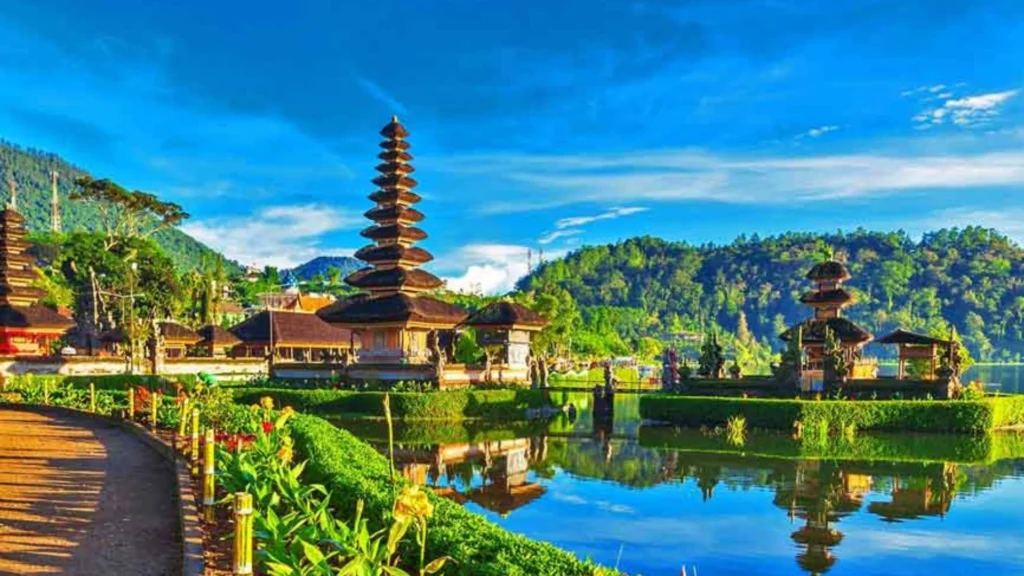
India has hundreds of affordable places where you can enjoy unforgettable experiences without paying premium prices.
Some of the best budget destinations include:
Rishikesh
Perfect for river rafting, yoga, Ganga ghats, waterfalls, and mountain views.
Jaipur
Experience magnificent forts, colorful markets, traditional food, and rich heritage at affordable prices.
Varanasi
One of the oldest living cities in the world, famous for temples, evening Ganga Aarti, and spiritual experiences.
Hampi
Explore ancient ruins, temples, boulder landscapes, and cycling routes on a small budget.
McLeod Ganj
A peaceful Himalayan destination known for Tibetan culture, monasteries, and scenic trekking trails.
Pondicherry
Enjoy French architecture, beaches, cafés, and relaxed coastal vibes without spending excessively.
Best Time to Visit India on a Budget
Traveling during the right season can significantly reduce your overall expenses.
October to March
- Pleasant weather
- Ideal for sightseeing
- Peak tourist season
- Higher hotel prices
April to June
- Hot in many regions
- Excellent discounts on hotels
- Great for hill stations
July to September
- Monsoon season
- Lowest accommodation prices
- Beautiful green landscapes
- Some outdoor activities may be affected by rain
If your priority is saving money, consider visiting during the shoulder season when weather remains comfortable and prices are lower.
How to Reach Different Parts of India Affordably
Transportation usually forms the largest part of your travel budget.
Indian Railways
Train travel remains the cheapest and most scenic option for long-distance journeys.
Tips:
- Book tickets early.
- Choose Sleeper Class or 3AC for value.
- Overnight trains save hotel costs.
Budget Flights
Domestic airlines frequently offer discounts.
Book flights:
- 6–8 weeks in advance
- During airline sales
- On weekdays when fares are generally lower
Government Buses
State transport buses are reliable and economical for short and medium distances.
Luxury sleeper buses are also available for overnight travel.
Shared Cabs
Shared taxis are common in hill stations and remote areas, helping reduce transport costs.
Save Money on Accommodation
Accommodation doesn’t have to consume most of your budget.
Affordable options include:
Hostels
Ideal for solo travelers.
Benefits include:
- Dormitory beds
- Shared kitchens
- Travel communities
- Free Wi-Fi
Guesthouses
Family-run guesthouses provide comfortable rooms at reasonable prices.
Homestays
Experience local culture while enjoying home-cooked meals and personalized hospitality.
Budget Hotels
Compare prices across booking platforms before making reservations.
Always check:
- Reviews
- Location
- Safety
- Cancellation policy
Eat Like a Local
Food is one of the biggest highlights of traveling across India.
Instead of expensive restaurants, try:
- Local eateries
- Small family restaurants
- Popular street food vendors
- Traditional thalis
Some affordable regional dishes include:
North India
- Chole Bhature
- Rajma Chawal
- Paratha
- Lassi
South India
- Dosa
- Idli
- Uttapam
- Lemon Rice
West India
- Vada Pav
- Misal Pav
- Dhokla
East India
- Litti Chokha
- Momos
- Fish Curry
- Puchka
Drink bottled or filtered water to avoid health issues.
Plan Your Transportation Wisely
Within cities, avoid unnecessary taxi rides.
Budget-friendly options include:
- Metro trains
- Public buses
- Auto-rickshaws
- Shared autos
- Walking
- Rental bicycles
Ride-sharing services are often cheaper than traditional taxis in major cities.
Free and Low-Cost Attractions
Many unforgettable experiences in India cost very little.
Examples include:
- Sunrise at beaches
- Sunset viewpoints
- Public gardens
- Local markets
- Temples
- Gurudwaras
- Heritage walks
- River ghats
- Village tours
- Nature trails
Museums and monuments often offer discounted entry fees for Indian citizens and students.
Nearby Attractions to Include in Your Trip
Budget travelers can combine destinations to reduce transportation costs.
Popular combinations include:
- Delhi – Agra – Jaipur
- Rishikesh – Haridwar – Dehradun
- Kochi – Alleppey – Munnar
- Mysore – Coorg – Ooty
- Jaipur – Pushkar – Udaipur
- Guwahati – Shillong – Cherrapunji
- Varanasi – Prayagraj – Ayodhya
Planning nearby destinations together minimizes travel time and expenses.
Essential Budget Travel Tips
Saving money doesn’t mean compromising your experience.
Keep these tips in mind:
- Travel light to avoid baggage fees.
- Book train tickets early.
- Carry a reusable water bottle.
- Compare hotel prices before booking.
- Use public transport whenever possible.
- Eat breakfast at your accommodation if included.
- Avoid shopping in tourist-only markets.
- Carry cash for smaller towns.
- Keep digital copies of important documents.
- Purchase travel insurance for longer trips.
Small savings each day can significantly reduce your overall travel expenses.
Safety Tips for Budget Travelers
Budget travel should always prioritize safety.
Here are some practical precautions:
- Avoid isolated areas after dark.
- Use licensed transportation.
- Keep emergency contacts handy.
- Store valuables securely.
- Stay aware of your surroundings.
- Respect local customs and traditions.
- Verify hotel reviews before booking.
- Keep copies of identification documents.
- Inform family about your travel plans.
Solo travelers should share their itinerary with someone they trust.
Suggested 10-Day Budget Trip Across India
Here’s a sample itinerary for first-time travelers.
Days 1–2: Delhi
Explore India Gate, Connaught Place, Chandni Chowk, and Red Fort.
Days 3–4: Jaipur
Visit Amber Fort, Hawa Mahal, City Palace, and local bazaars.
Day 5: Pushkar
Explore Pushkar Lake, Brahma Temple, and local cafés.
Days 6–7: Udaipur
Visit City Palace, Lake Pichola, Jag Mandir, and Sajjangarh Fort.
Days 8–10: Rishikesh
Attend Ganga Aarti, try river rafting, visit Lakshman Jhula, and enjoy riverside cafés.
This itinerary balances culture, nature, and adventure while remaining budget-friendly.
Estimated Budget for a 10-Day Trip
Approximate expenses:
| Expense | Estimated Cost |
|---|---|
| Train and buses | ₹3,500 |
| Accommodation | ₹6,000 |
| Food | ₹4,000 |
| Sightseeing | ₹2,500 |
| Local transport | ₹2,000 |
| Miscellaneous | ₹2,000 |
Total Estimated Budget: ₹20,000–₹22,000
Choosing dormitories and public transportation can reduce costs even further.
Common Budget Travel Mistakes to Avoid

Many travelers unknowingly increase their expenses.
Avoid these mistakes:
- Booking at the last minute
- Traveling during major festivals without reservations
- Eating only at tourist restaurants
- Ignoring local transport options
- Carrying excessive luggage
- Not comparing accommodation prices
- Forgetting emergency funds
- Overpacking your itinerary
Planning ahead helps you avoid unnecessary costs and travel stress.
Frequently Asked Questions
1. How much money do I need for a budget trip across India?
A backpacker can comfortably travel with approximately ₹1,200–₹2,000 per day, depending on the destination and travel style.
2. What is the cheapest way to travel across India?
Indian Railways is generally the most economical option for long-distance travel, while public buses and metro systems are affordable for local transportation.
3. Which are the cheapest destinations in India?
Rishikesh, Varanasi, Hampi, McLeod Ganj, Jaipur, Pondicherry, and Pushkar are among the most budget-friendly destinations.
4. Is India safe for solo budget travelers?
Yes. Most tourist destinations are safe when basic precautions are followed, such as staying in reputable accommodations, using trusted transportation, and remaining aware of your surroundings.
5. What is the best season for budget travel in India?
The shoulder seasons of April–June and July–September often offer lower hotel rates and transportation discounts, making them excellent choices for budget-conscious travelers.
Conclusion
Learning how to plan a budget trip across India is all about making smart choices rather than sacrificing memorable experiences. By selecting affordable destinations, using public transportation, staying in budget accommodations, eating local food, and planning your itinerary in advance, you can explore India’s incredible diversity without stretching your finances.
Whether you’re wandering through the historic streets of Jaipur, watching the sunrise over the Ganges in Varanasi, trekking in the Himalayas, or relaxing on a peaceful beach in South India, budget travel allows you to experience the country’s authentic culture while keeping costs under control.
With thoughtful planning and a flexible mindset, your next adventure across India can be both unforgettable and affordable. Safe travels from Nandi Travel Blog!