
Packing is one of the most important parts of any trip, yet it is often left until the last minute. Whether you’re planning a weekend getaway, a business trip, or an international vacation, smart packing can make your journey smoother, lighter, and far less stressful. Overpacking leads to heavy luggage, extra baggage fees, and difficulty finding your essentials, while underpacking may leave you without important items during your trip.
Learning the best packing tips for stress-free travel helps you stay organized, save money, and enjoy every moment of your adventure. Experienced travelers know that efficient packing isn’t about bringing more—it’s about bringing the right things in the smartest way possible.
In this complete guide, you’ll discover practical packing strategies, space-saving techniques, travel essentials, safety tips, and expert advice that will help you pack confidently for any destination.
Why Smart Packing Matters
Packing efficiently has benefits that go beyond fitting everything into your suitcase. A well-packed bag helps you:
- Save time before and during your trip.
- Avoid excess baggage charges.
- Keep important documents organized.
- Reduce stress while traveling.
- Protect valuable belongings.
- Move comfortably through airports, train stations, and hotels.
- Stay prepared for unexpected situations.
The less time you spend worrying about your luggage, the more time you can enjoy your destination.
Start with a Packing Checklist
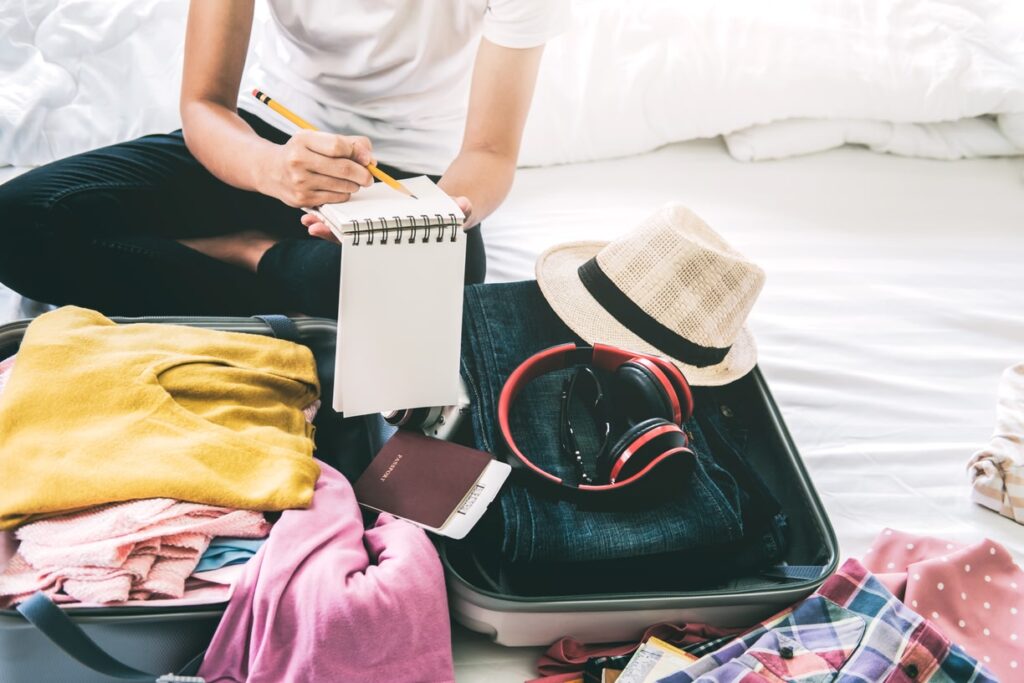
One of the biggest mistakes travelers make is packing without a plan.
A checklist ensures you don’t forget important items while avoiding unnecessary extras.
Essential Documents
Always pack:
- Passport or government ID
- Travel insurance documents
- Flight tickets
- Hotel reservations
- Visa documents (if required)
- Emergency contact numbers
- Copies of important documents
Store digital copies on your phone and cloud storage for added security.
Clothing Checklist
Pack clothing based on:
- Weather forecast
- Trip duration
- Planned activities
- Local culture
- Laundry availability
Choose versatile outfits that can be mixed and matched instead of carrying separate clothes for every day.
Choose the Right Luggage
Your luggage should match the length and purpose of your trip.
Carry-On Bag
Ideal for:
- Weekend trips
- Business travel
- Domestic flights
Benefits include:
- Faster airport exit
- No baggage claim waiting
- Lower airline fees
- Reduced risk of lost luggage
Checked Suitcase
Best for:
- Long vacations
- Family trips
- Winter travel
- International holidays
Choose lightweight luggage with durable wheels and secure locks.
Backpack
Perfect for:
- Adventure travel
- Hiking
- Backpacking
- Budget travel
Look for padded shoulder straps and multiple compartments for better organization.
Roll Your Clothes Instead of Folding
Rolling clothes is one of the oldest and most effective travel hacks.
Benefits include:
- Saves luggage space
- Reduces wrinkles
- Keeps clothes organized
- Makes items easier to find
For formal clothing, use garment folders or packing cubes.
Use Packing Cubes
Packing cubes are small zippered organizers that separate your belongings into categories.
You can dedicate different cubes for:
- Shirts
- Pants
- Underwear
- Electronics
- Toiletries
Advantages include:
- Faster unpacking
- Better organization
- Easier hotel stays
- Maximized luggage space
Pack Versatile Clothing
Instead of carrying many outfits, choose clothing that works for multiple occasions.
Good examples include:
- Neutral-colored shirts
- Comfortable jeans
- Lightweight jackets
- Multi-purpose shoes
- Layer-friendly clothing
Neutral colors also make it easier to mix and match different combinations.
Limit Your Shoes
Shoes take up a surprising amount of luggage space.
For most trips, three pairs are enough:
- Comfortable walking shoes
- Casual sandals or flip-flops
- Dress shoes if required
Wear the heaviest shoes while traveling to save luggage space.
Follow the 3-2-1 Packing Rule
Many experienced travelers use this simple rule:
- 3 tops
- 2 bottoms
- 1 jacket
Adjust according to your trip length while planning to rewear or wash clothes.
Organize Toiletries Properly
Use travel-sized containers instead of full-sized bottles.
Pack essentials such as:
- Toothbrush
- Toothpaste
- Shampoo
- Conditioner
- Soap
- Sunscreen
- Moisturizer
- Razor
- Deodorant
Place liquids inside leak-proof pouches to prevent spills.
Keep Electronics Organized
Modern travelers carry several electronic devices.
Bring only what you need:
- Smartphone
- Charger
- Power bank
- Universal travel adapter
- Camera
- Memory cards
- Laptop (if necessary)
- Earphones
Store charging cables inside small organizer bags to prevent tangles.
Always Carry a Personal Item
Most airlines allow one carry-on and one personal item.
Your personal bag should contain:
- Passport
- Wallet
- Phone
- Medications
- Snacks
- Water bottle
- Book or Kindle
- Headphones
- Travel pillow
These items should always stay within easy reach.
Leave Extra Space
Avoid filling your suitcase completely before departure.
Keeping 15–20% empty space allows room for:
- Souvenirs
- Local shopping
- Gifts
- Unexpected purchases
This also makes repacking much easier.
Check Airline Baggage Rules
Every airline has different baggage policies.
Before leaving:
- Verify carry-on dimensions.
- Check checked baggage weight limits.
- Review prohibited items.
- Understand extra baggage fees.
This simple step can save significant money at the airport.
Pack According to Weather
Never rely on assumptions.
A destination may experience unexpected weather changes.
Check the weather forecast a few days before departure and pack accordingly.
Examples:
Summer
- Cotton clothes
- Sunglasses
- Hat
- Sunscreen
- Light footwear
Winter
- Thermal wear
- Jackets
- Gloves
- Wool socks
- Waterproof shoes
Rainy Season
- Raincoat
- Umbrella
- Waterproof bag cover
- Quick-dry clothing
Don’t Forget Essential Medicines
Carry enough medication for your entire trip.
Include:
- Prescription medicines
- Pain relievers
- Allergy tablets
- Motion sickness medicine
- Bandages
- Antiseptic cream
- Oral rehydration salts
Keep medicines in your carry-on luggage.
Protect Important Documents
Use waterproof document holders.
Store:
- Passport
- Visa
- Insurance
- Boarding passes
- Emergency contacts
Never keep all your cash and cards in one place.
Use Digital Travel Apps
Helpful apps reduce the need for paper documents.
Download:
- Offline maps
- Airline apps
- Hotel bookings
- Translation apps
- Currency converters
- Weather apps
Ensure important documents are available offline.
Pack Snacks for the Journey
Travel delays happen unexpectedly.
Healthy snacks include:
- Energy bars
- Dry fruits
- Nuts
- Crackers
- Chocolate
- Protein bars
Carrying snacks can save money and keep you energized.
Travel Safety Tips
Smart packing also improves travel safety.
Remember these important precautions:
- Lock your luggage.
- Label bags with contact information.
- Avoid carrying expensive jewelry.
- Keep valuables in your carry-on.
- Use RFID-blocking wallets when traveling internationally.
- Keep emergency cash in a separate location.
- Stay aware of your surroundings in crowded places.
Common Packing Mistakes to Avoid

Many travelers make avoidable mistakes such as:
- Packing too many clothes
- Carrying unnecessary gadgets
- Forgetting chargers
- Ignoring airline baggage limits
- Packing valuables in checked luggage
- Bringing prohibited items
- Waiting until the last minute
Avoiding these mistakes makes every trip more enjoyable.
Best Time to Pack Before a Trip
The ideal packing schedule is:
One Week Before
- Create your checklist.
- Check passport validity.
- Confirm bookings.
- Review airline baggage policies.
Three Days Before
- Wash clothes.
- Charge electronics.
- Buy missing essentials.
One Day Before
- Pack luggage.
- Weigh bags.
- Charge power banks.
- Prepare travel documents.
This timeline helps eliminate last-minute stress.
Estimated Budget for Packing Essentials
The amount you spend depends on your travel style, but here’s a rough estimate for quality packing essentials:
| Item | Estimated Cost |
|---|---|
| Packing Cubes | $15–30 |
| Travel Toiletry Kit | $10–25 |
| Universal Adapter | $20–40 |
| Power Bank | $25–60 |
| Travel Backpack | $40–120 |
| Luggage Lock | $8–20 |
| Reusable Water Bottle | $10–30 |
Most of these items are reusable for years, making them worthwhile travel investments.
Travel-Friendly Food to Carry
Choosing lightweight and non-perishable snacks can make long journeys more comfortable. Some great options include:
- Mixed nuts
- Dried fruits
- Granola bars
- Protein bars
- Crackers
- Instant coffee sachets
- Tea bags
- Instant noodles (where hot water is available)
Avoid foods with strong odors or items that spoil quickly.
Nearby Travel Essentials to Buy Before Departure
Before leaving for your trip, consider picking up a few last-minute travel essentials from nearby stores or airports if needed:
- Refillable water bottle
- Neck pillow
- Eye mask
- Compression socks
- Luggage tags
- Portable luggage scale
- Reusable shopping bag
- Hand sanitizer
- Wet wipes
Buying these in advance is often more affordable than purchasing them at the airport.
Frequently Asked Questions
1. What is the best way to pack clothes for travel?
Rolling clothes combined with packing cubes is one of the most effective ways to save space and keep luggage organized.
2. How many outfits should I pack for a one-week trip?
Pack versatile clothing that can be mixed and matched. Around 5–7 tops, 3–4 bottoms, and one jacket are usually sufficient.
3. Should I carry medicines in checked luggage?
No. Always keep important medicines in your carry-on bag in case checked luggage is delayed or lost.
4. Are packing cubes really useful?
Yes. Packing cubes improve organization, maximize luggage space, and make unpacking much easier during your trip.
5. How can I avoid overpacking?
Create a checklist, choose versatile clothing, limit shoes, and pack only items you know you’ll actually use.
Conclusion
Packing doesn’t have to be stressful. With the right planning, thoughtful organization, and a few proven travel hacks, you can simplify your journey before it even begins. Following these Best Packing Tips for Stress-Free Travel will help you save space, reduce unnecessary weight, stay organized, and travel with greater confidence.
Remember that successful travel isn’t about carrying everything you own—it’s about carrying exactly what you need. Whether you’re heading out for a weekend escape or an international adventure, smart packing allows you to focus on creating unforgettable memories instead of worrying about your luggage.
Use this guide as your go-to packing resource before every trip, and you’ll be well prepared for smoother, safer, and more enjoyable travels wherever your next destination takes you.