
India is often associated with bustling cities, colorful festivals, and iconic landmarks, but beyond the crowds lies another side of the country—quiet villages surrounded by mountains, rivers, forests, tea gardens, and traditional lifestyles. These peaceful destinations offer travelers a chance to slow down, connect with nature, and experience authentic rural India.
Whether you’re looking for a relaxing weekend getaway, a digital detox, or a cultural escape, exploring the best villages in India for peaceful holidays can be one of the most rewarding travel experiences. From Himalayan hamlets to coastal fishing villages, each destination has its own unique charm, local traditions, and scenic beauty.
In this guide, you’ll discover some of India’s most serene villages along with travel tips, estimated budgets, local cuisine, nearby attractions, and everything you need to plan a memorable countryside vacation.
Why Choose a Village Holiday in India?
Village tourism is growing rapidly because more travelers are seeking peaceful environments instead of crowded tourist hotspots. Staying in a village allows you to experience:
- Fresh mountain or countryside air
- Authentic local culture and traditions
- Homemade regional food
- Slow-paced lifestyle
- Beautiful landscapes
- Affordable accommodation
- Eco-friendly travel experiences
Village holidays are perfect for families, solo travelers, couples, photographers, writers, and nature lovers.
1. Kalpa, Himachal Pradesh
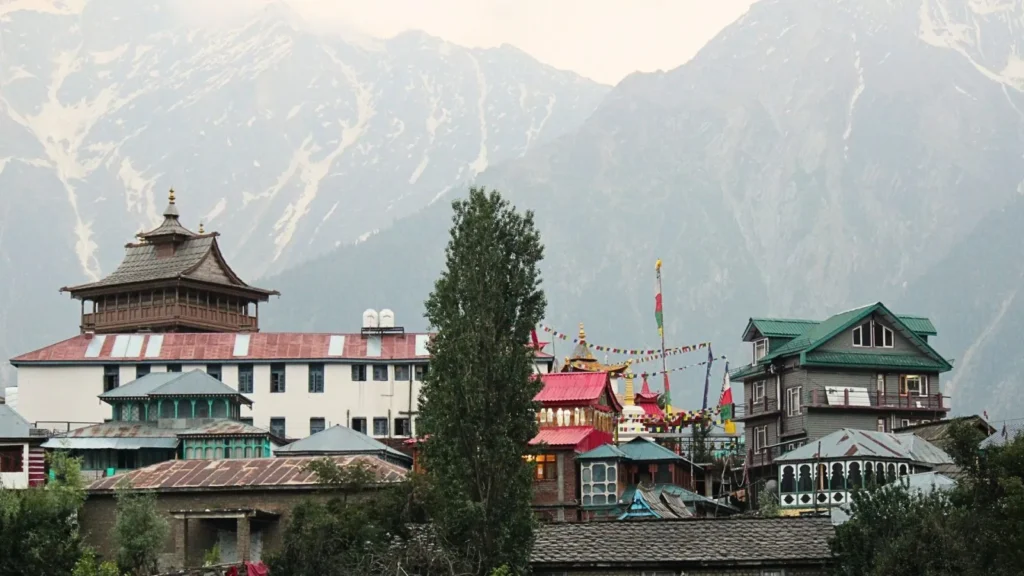
Nestled in the Kinnaur district, Kalpa is one of the most beautiful mountain villages in northern India. Surrounded by apple orchards and snow-covered peaks, the village offers breathtaking views of the Kinner Kailash range.
Why Visit Kalpa?
Kalpa is known for its peaceful atmosphere, wooden temples, and traditional Himachali architecture. The sunrise over the Himalayan mountains is one of the village’s biggest attractions.
Best Time to Visit
March to June and September to November.
How to Reach
- Nearest Airport: Shimla Airport
- Nearest Railway Station: Kalka Railway Station
- By Road: Regular buses and taxis from Shimla and Reckong Peo.
Estimated Budget
- Budget Trip: ₹2,500–₹4,000 per day
- Mid-range: ₹5,000–₹8,000 per day
Local Food
Try Siddu, Chha Gosht, Rajma Chawal, and locally grown apples.
Nearby Attractions
- Kinner Kailash View Point
- Roghi Village
- Suicide Point
- Sangla Valley
2. Mawlynnong, Meghalaya
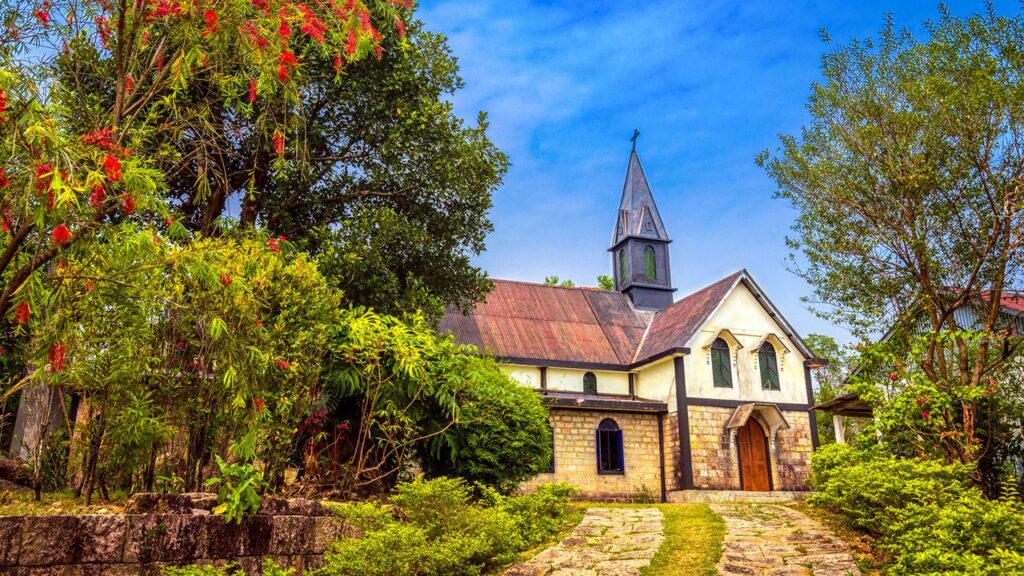
Often called the cleanest village in India, Mawlynnong is famous for its spotless streets, bamboo dustbins, and eco-friendly lifestyle.
The village is surrounded by lush greenery and offers visitors a refreshing escape from city life.
Best Time to Visit
October to April.
How to Reach
- Nearest Airport: Shillong Airport
- Nearest Railway Station: Guwahati
- Taxi services are available from Shillong.
Estimated Budget
₹2,000–₹4,500 per day.
Local Food
Enjoy Jadoh, bamboo shoot curry, smoked meat, and local rice dishes.
Nearby Attractions
- Living Root Bridge
- Balancing Rock
- Dawki River
- Bangladesh Viewpoint
3. Ziro, Arunachal Pradesh
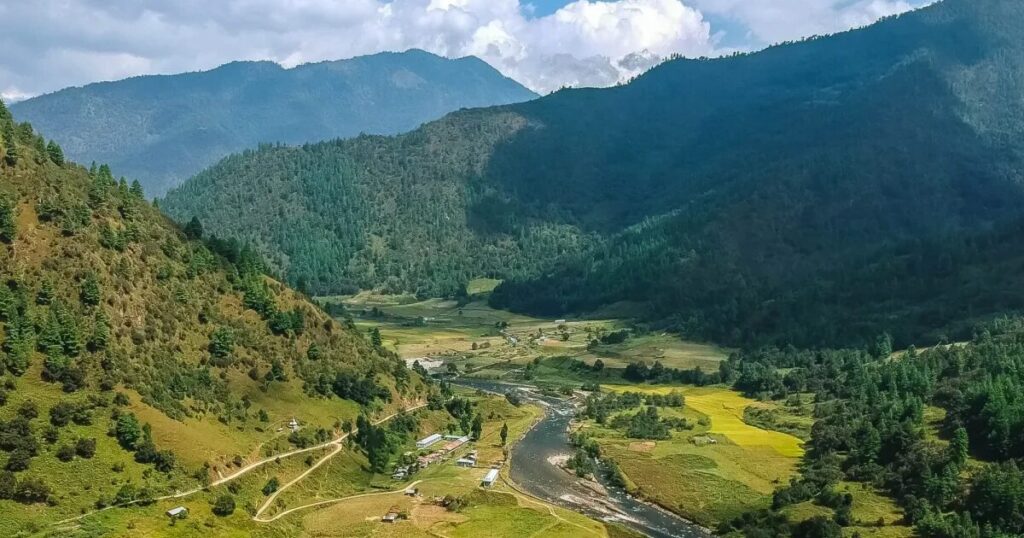
Ziro Valley is home to the Apatani tribe and is one of the most peaceful destinations in Northeast India.
The valley features green rice fields, pine forests, and traditional bamboo houses that create an unforgettable landscape.
Best Time to Visit
March to October.
How to Reach
- Nearest Airport: Lilabari Airport
- Nearest Railway Station: Naharlagun
- Road connectivity from Itanagar.
Estimated Budget
₹3,000–₹5,500 per day.
Local Food
Taste bamboo shoot dishes, smoked pork, millet beer, and traditional Apatani cuisine.
Nearby Attractions
- Talley Valley Wildlife Sanctuary
- Pine Grove
- Ziro Festival grounds
4. Malana, Himachal Pradesh
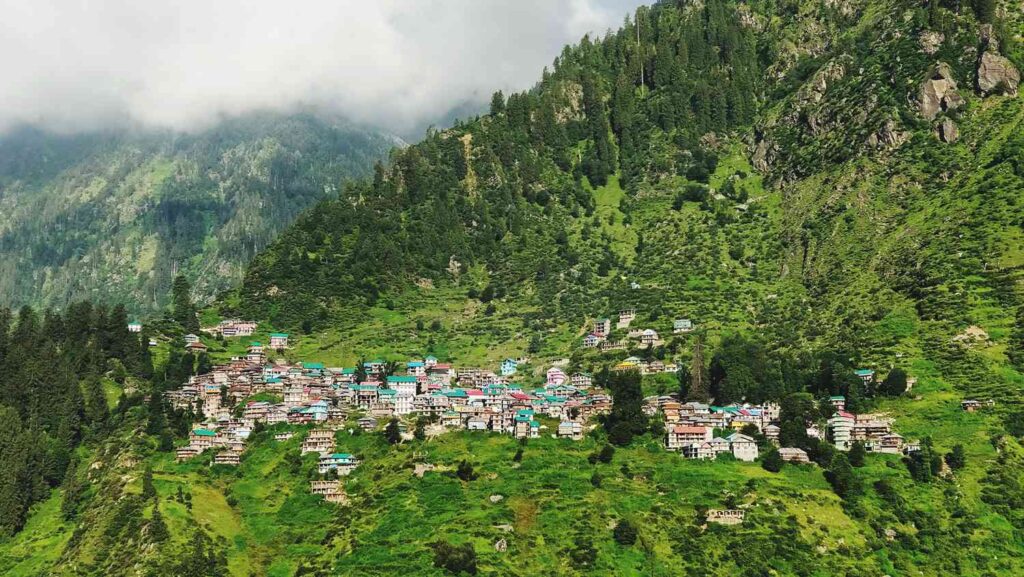
Hidden in the Parvati Valley, Malana is one of India’s most unique villages. The village is famous for its distinct culture, ancient traditions, and spectacular mountain scenery.
Visitors come here for trekking, peaceful surroundings, and panoramic Himalayan views.
Best Time to Visit
April to October.
How to Reach
Drive to Jari and trek approximately 4 km to reach the village.
Estimated Budget
₹2,500–₹5,000 per day.
Local Food
Traditional Himachali meals and locally prepared breads.
Nearby Attractions
- Kasol
- Tosh
- Manikaran Sahib
- Chalal
5. Pochampally, Telangana
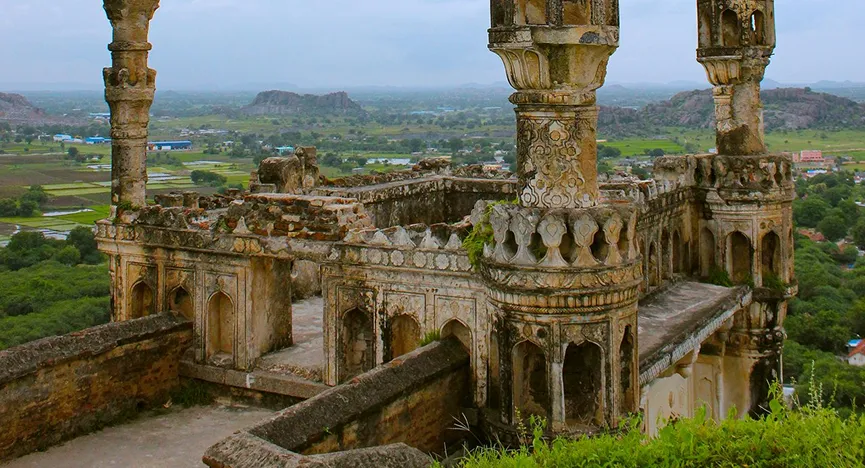
Known as the Silk City of India, Pochampally is famous for its handwoven Ikat sarees and peaceful rural setting.
The village is ideal for travelers interested in handicrafts and traditional weaving.
Best Time to Visit
October to February.
How to Reach
Located around 50 km from Hyderabad.
Estimated Budget
₹2,000–₹4,000 per day.
Local Food
Hyderabadi cuisine along with Telangana specialties.
Nearby Attractions
- Bhongir Fort
- Ramoji Film City
- Hyderabad city attractions
6. Andretta, Himachal Pradesh
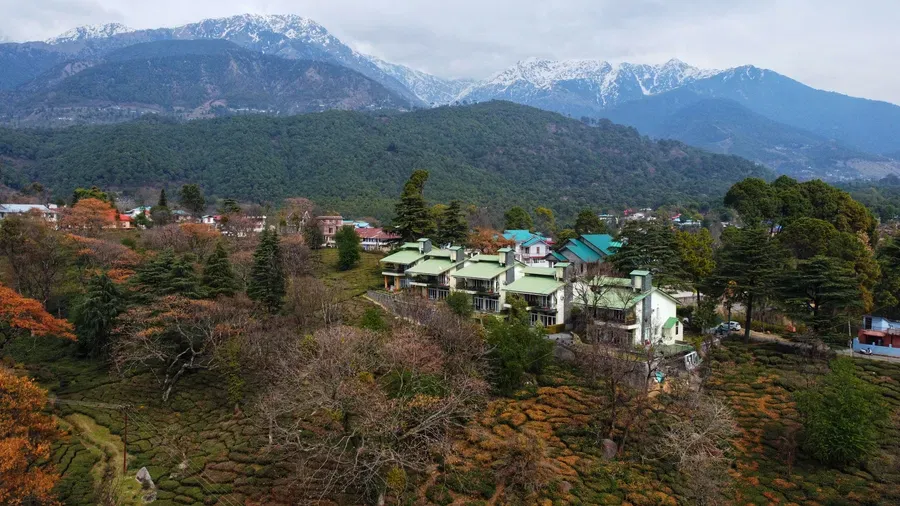
Andretta is a charming artists’ village surrounded by pine forests and tea gardens.
The village has attracted painters, writers, and potters for decades because of its peaceful environment.
Best Time to Visit
March to June and September to November.
How to Reach
Approximately 13 km from Palampur.
Estimated Budget
₹2,500–₹5,000 per day.
Local Food
Traditional Himachali Dham, fresh vegetables, and local dairy products.
Nearby Attractions
- Andretta Pottery Studio
- Palampur Tea Gardens
- Bir Billing
7. Kumbalangi, Kerala
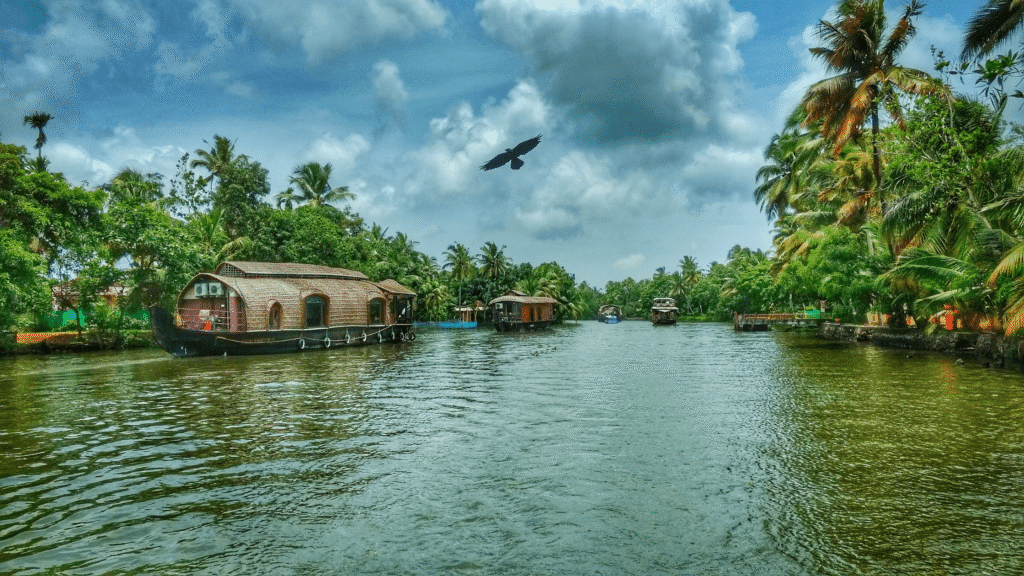
Kumbalangi is India’s first model tourism village and offers an authentic backwater experience.
Fishing, canoe rides, mangrove forests, and village homestays make it an excellent destination for peaceful holidays.
Best Time to Visit
September to March.
How to Reach
Located around 15 km from Kochi.
Estimated Budget
₹3,000–₹6,000 per day.
Local Food
Fresh seafood, Kerala fish curry, appam, puttu, and toddy (where available).
Nearby Attractions
- Fort Kochi
- Marine Drive
- Chinese Fishing Nets
- Mattancherry Palace
8. Khimsar, Rajasthan
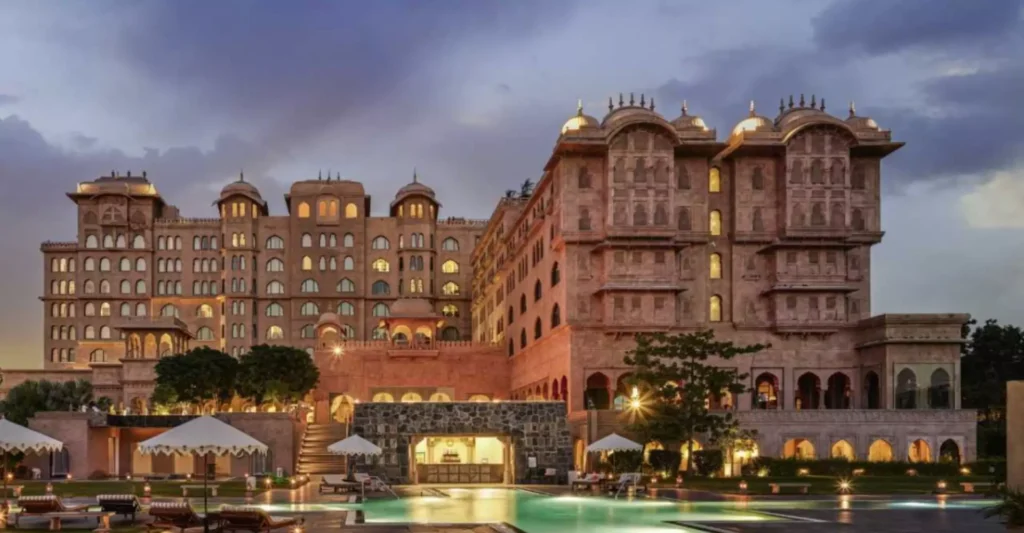
Khimsar offers a peaceful desert experience away from Rajasthan’s crowded tourist cities.
Sand dunes, traditional villages, camel safaris, and heritage stays make this destination truly memorable.
Best Time to Visit
October to March.
How to Reach
Around 90 km from Jodhpur.
Estimated Budget
₹3,500–₹7,000 per day.
Local Food
Dal Baati Churma, Ker Sangri, Gatte ki Sabzi, and Bajra Roti.
Nearby Attractions
- Khimsar Fort
- Nagaur Fort
- Sand Dunes
9. Majuli, Assam
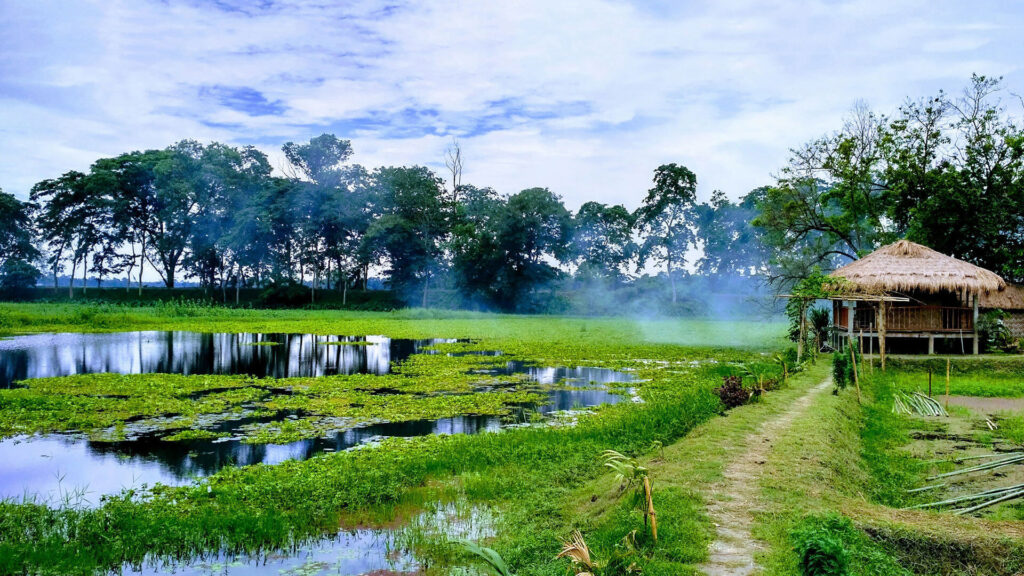
Majuli is the world’s largest inhabited river island and is known for its peaceful villages, monasteries, and cultural heritage.
Cycling through its villages offers a unique glimpse into traditional Assamese life.
Best Time to Visit
October to March.
How to Reach
Take a ferry from Jorhat to Majuli Island.
Estimated Budget
₹2,500–₹5,000 per day.
Local Food
Assamese Thali, fish curry, sticky rice, and local sweets.
Nearby Attractions
- Satras
- Mishing Villages
- Brahmaputra River
10. Poovar, Kerala
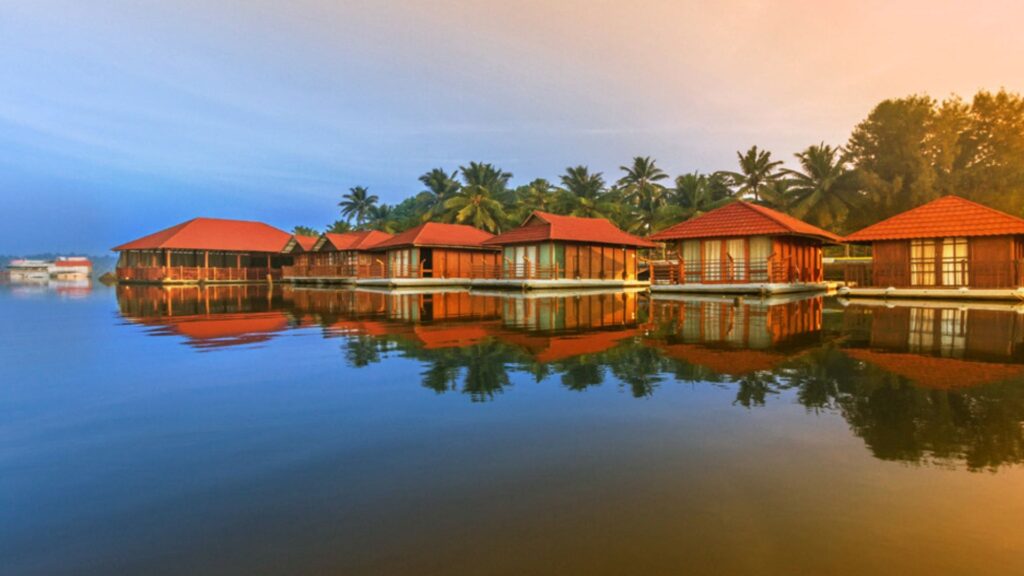
Located near the southern tip of Kerala, Poovar is a peaceful coastal village where rivers, lakes, beaches, and backwaters meet.
It offers a perfect combination of relaxation and natural beauty.
Best Time to Visit
October to February.
How to Reach
Around 30 km from Thiruvananthapuram.
Estimated Budget
₹3,000–₹6,500 per day.
Local Food
Fresh seafood, coconut-based curries, appam, and banana chips.
Nearby Attractions
- Poovar Beach
- Neyyar Wildlife Sanctuary
- Kovalam Beach
Best Time to Plan a Peaceful Village Holiday
Although every region has its own climate, October to March is generally considered the best season for village tourism across India. During these months, the weather remains pleasant, making sightseeing, walking, and outdoor activities more enjoyable.
If you’re planning to visit Himalayan villages, spring and autumn provide clear skies and comfortable temperatures. For southern villages, winter is the most comfortable season.
Practical Travel Tips
Planning ahead can make your village holiday more enjoyable and hassle-free.
- Book accommodations early during holiday seasons.
- Carry enough cash, as many villages have limited ATM access.
- Respect local customs and traditions.
- Dress modestly, especially in culturally sensitive areas.
- Pack comfortable walking shoes.
- Carry essential medicines and a first-aid kit.
- Download offline maps for remote locations.
- Keep reusable water bottles to reduce plastic waste.
- Support local artisans by purchasing handmade products.
- Stay in certified homestays whenever possible to experience authentic hospitality.
Safety Tips for Village Travelers
Most villages in India are safe for tourists, but following a few precautions can enhance your experience.
- Avoid trekking alone in unfamiliar areas.
- Inform your accommodation if you plan long hikes.
- Carry identification at all times.
- Follow local weather updates during the monsoon.
- Keep emergency contacts saved on your phone.
- Avoid littering and respect wildlife.
- Be cautious while driving on narrow mountain roads.
- Ask locals before photographing people or religious places.
Local Experiences You Shouldn’t Miss
A peaceful holiday isn’t just about beautiful scenery—it’s also about immersing yourself in village life. Here are some memorable experiences:
- Wake up early to watch sunrise over farms or mountains.
- Join a local cooking session to learn regional recipes.
- Walk through orchards, tea gardens, or rice fields.
- Visit weekly village markets for fresh produce and handicrafts.
- Participate in seasonal festivals if your visit coincides with one.
- Enjoy birdwatching, nature walks, or cycling through quiet lanes.
- Spend an evening listening to local folk music or storytelling.
These experiences often become the most cherished memories of a village vacation.
Frequently Asked Questions
1. Which is the cleanest village in India?
Mawlynnong in Meghalaya is widely recognized for its exceptional cleanliness and community-led waste management.
2. Are village holidays in India suitable for families?
Yes. Most peaceful villages are family-friendly and offer safe environments, nature-based activities, and comfortable homestays.
3. What is the average budget for a village holiday?
A comfortable village trip usually costs between ₹2,500 and ₹6,000 per person per day, depending on accommodation, transportation, and activities.
4. Is internet connectivity available in remote villages?
Many villages now have mobile networks and internet access, but connectivity may be limited in remote mountain regions. Download important maps and documents before traveling.
5. How many days are enough for a peaceful village holiday?
A stay of 3–5 days is ideal to unwind, explore the surroundings, interact with locals, and enjoy a slower pace of life.
Conclusion
Choosing the Best Villages in India for Peaceful Holidays allows you to experience a different side of the country—one filled with simplicity, natural beauty, warm hospitality, and meaningful cultural experiences. Whether you prefer the snow-capped landscapes of Himachal Pradesh, the lush greenery of Meghalaya, the river island charm of Assam, or the tranquil backwaters of Kerala, India’s villages offer unforgettable escapes from the fast pace of modern life.
Instead of rushing through crowded tourist attractions, take time to enjoy village walks, local cuisine, traditional homestays, and conversations with residents who preserve centuries-old customs. These destinations not only provide relaxation but also support sustainable tourism and local communities.
For your next vacation, consider stepping off the beaten path and discovering the peaceful villages that make rural India one of the country’s greatest hidden treasures. A slower journey often creates the most lasting memories.