
India is home to thousands of waterfalls, but many of the most spectacular ones remain untouched by mass tourism. While famous cascades attract large crowds throughout the year, several hidden waterfalls are tucked away inside dense forests, remote valleys, and quiet mountain villages. These lesser-known destinations offer breathtaking scenery, peaceful surroundings, and unforgettable adventures for nature lovers.
Whether you’re planning a weekend escape, a trekking expedition, or a photography trip, exploring hidden waterfalls in India promises a refreshing experience away from busy tourist spots. From the lush Western Ghats to the misty hills of Northeast India, every region hides beautiful cascades waiting to be discovered.
In this guide, you’ll find some of India’s most beautiful hidden waterfalls, along with practical travel tips, estimated budgets, the best time to visit, nearby attractions, local food recommendations, and safety advice to help you plan your journey.
Why Visit Hidden Waterfalls in India?
Hidden waterfalls offer something that popular attractions often cannot—peace and authenticity. These natural gems are surrounded by forests, wildlife, and local villages, giving travelers a chance to experience India’s untouched beauty.
Some benefits include:
- Fewer crowds
- Excellent photography opportunities
- Fresh mountain air
- Scenic trekking routes
- Opportunities to support local communities
- Unique landscapes that remain relatively unexplored
If you enjoy slow travel and nature-based experiences, these waterfalls deserve a place on your bucket list.
Best Hidden Waterfalls in India
1. Hebbe Falls, Karnataka
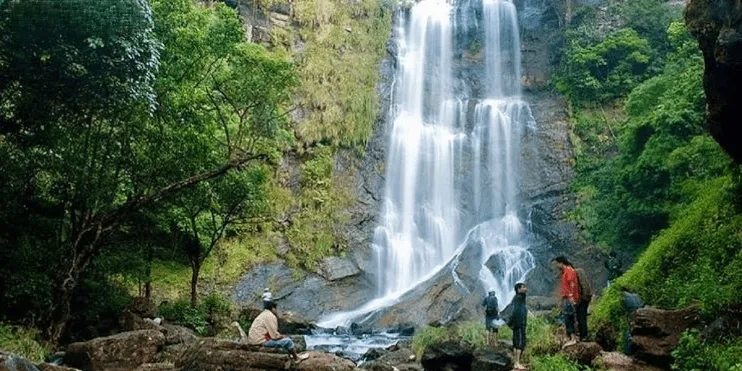
Nestled inside the forests of Chikkamagaluru, Hebbe Falls is one of Karnataka’s hidden treasures. The waterfall plunges nearly 170 meters through dense coffee plantations and evergreen forests.
The journey itself is exciting, involving an off-road jeep ride followed by a short trek through lush greenery.
Best Time to Visit
September to February
How to Reach
- Nearest Airport: Mangalore
- Nearest Railway Station: Birur
- Hire a jeep from Kemmanagundi.
Estimated Budget
₹2,500–₹5,000 per person for a weekend trip.
Local Food
Try authentic Malnad cuisine including Akki Roti, Kadubu, and Chicken Ghee Roast.
Nearby Attractions
- Kemmanagundi
- Z Point
- Kallathigiri Falls
2. Nohkalikai’s Lesser-Known Neighbor – Wei Sawdong Falls, Meghalaya
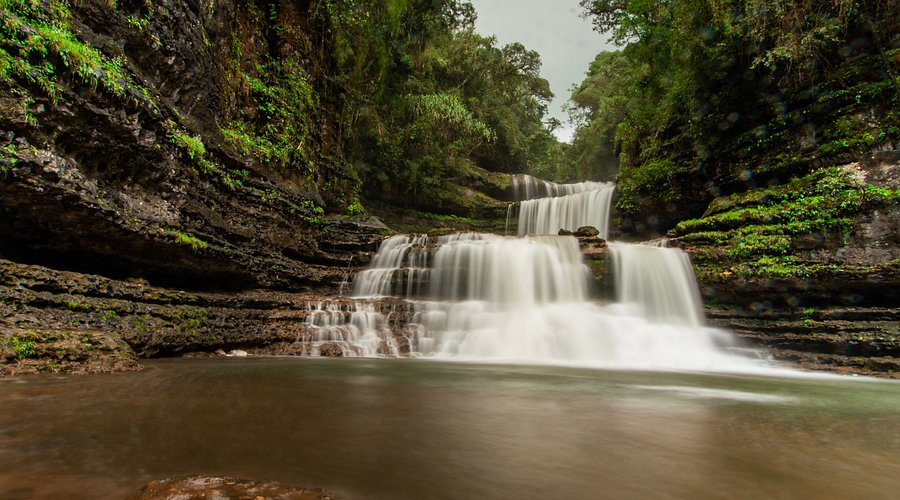
Although many visitors head directly to the famous Nohkalikai Falls, Wei Sawdong Falls remains relatively unexplored.
Known for its three-tier turquoise pools, it is considered one of India’s most photogenic hidden waterfalls.
The final descent requires climbing steep steps, making it ideal for adventure enthusiasts.
Best Time to Visit
October to April
How to Reach
- Fly to Shillong via Guwahati.
- Drive to Cherrapunji.
- Trek approximately 20 minutes.
Estimated Budget
₹4,000–₹7,000 per person.
Local Food
Enjoy Jadoh, Tungrymbai, and local bamboo shoot dishes.
Nearby Attractions
- Nohkalikai Falls
- Mawsmai Cave
- Double Decker Living Root Bridge
3. Soochipara Falls, Kerala
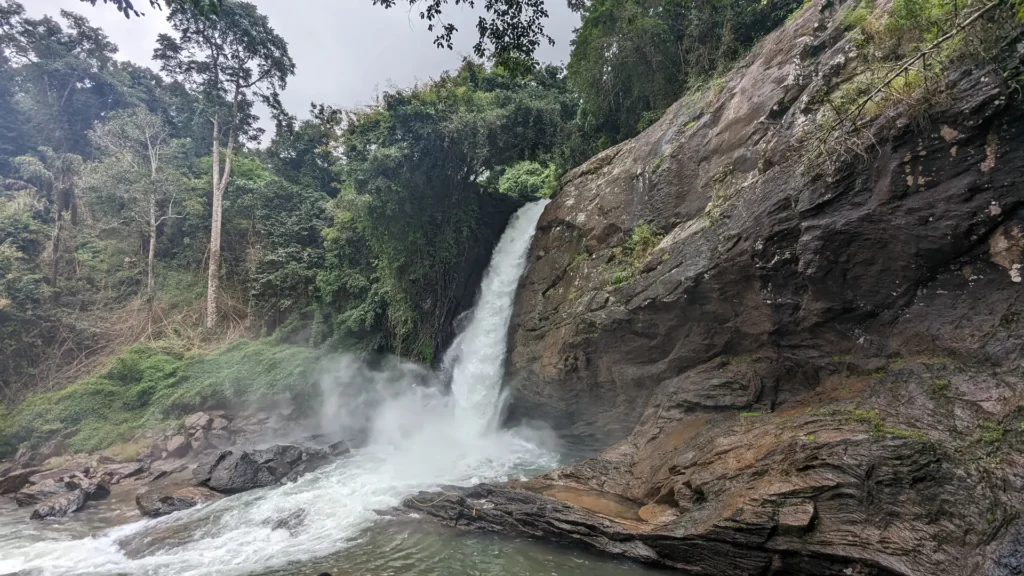
Hidden within Wayanad’s lush forests, Soochipara Falls offers a combination of trekking, swimming, and scenic beauty.
The waterfall drops in three stages and is surrounded by thick vegetation, making it perfect for nature lovers.
Best Time to Visit
September to January
How to Reach
- Nearest Airport: Calicut
- Drive around 22 km from Kalpetta.
Estimated Budget
₹3,000–₹6,000
Local Food
Taste Kerala Sadya, Puttu, Kadala Curry, and fresh banana chips.
Nearby Attractions
- Edakkal Caves
- Banasura Sagar Dam
- Chembra Peak
4. Kune Falls, Maharashtra
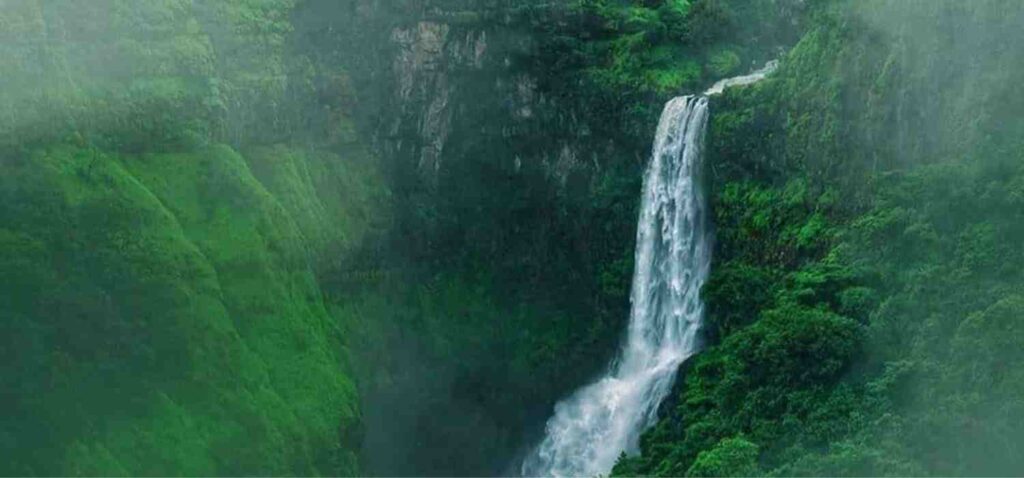
Located near Lonavala but often overshadowed by larger tourist attractions, Kune Falls is one of Maharashtra’s most beautiful hidden cascades.
The waterfall is surrounded by green hills during the monsoon season.
Best Time to Visit
July to September
How to Reach
- Train to Lonavala.
- Short drive to Kune Village.
Estimated Budget
₹2,000–₹4,500
Local Food
Vada Pav, Misal Pav, Bhakri, and local Maharashtrian thalis.
Nearby Attractions
- Rajmachi Fort
- Tiger Point
- Bhushi Dam
5. Sathodi Falls, Karnataka
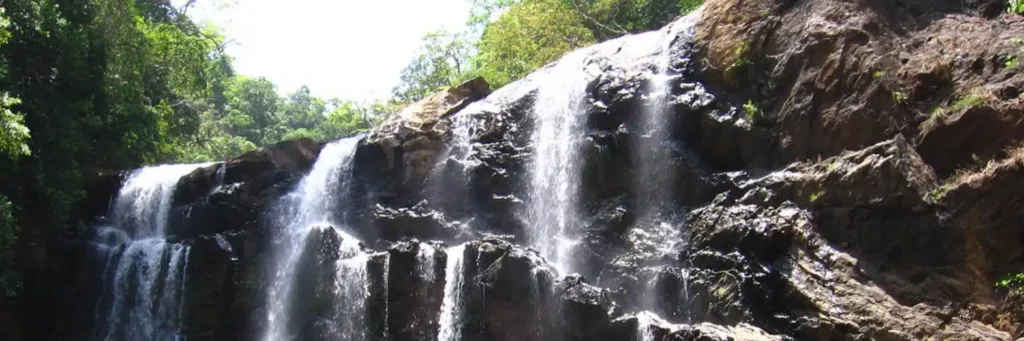
Often called the “Mini Niagara of Karnataka,” Sathodi Falls is still relatively unknown outside the state.
Water from multiple streams converges before plunging into a serene pool surrounded by dense forests.
Best Time to Visit
August to December
How to Reach
Drive from Yellapur.
Estimated Budget
₹2,500–₹5,000
Local Food
North Karnataka meals, Jolada Rotti, and local forest honey.
Nearby Attractions
- Magod Falls
- Kavala Caves
- Supa Dam
6. Bhimlat Falls, Rajasthan
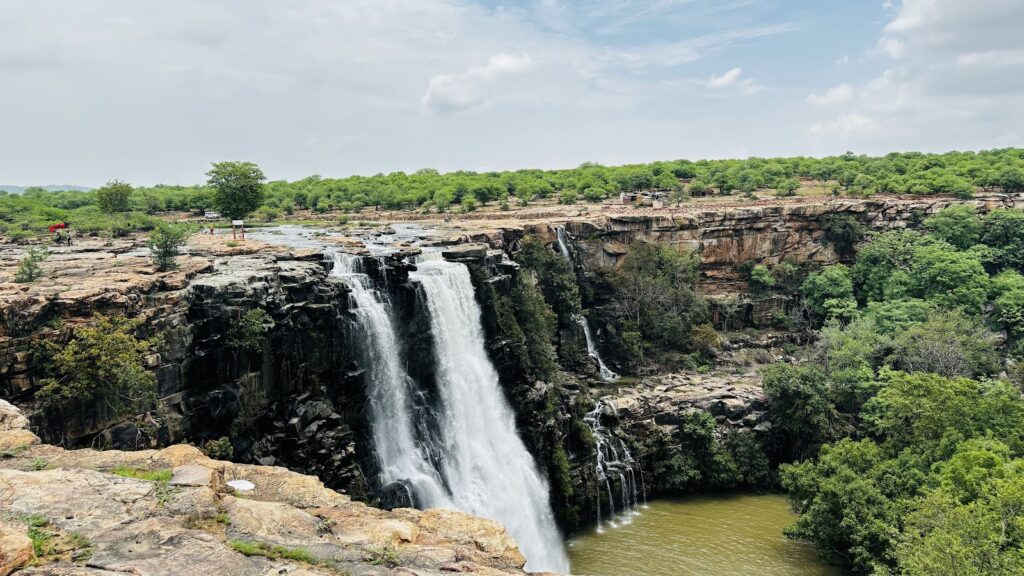
Waterfalls are rarely associated with Rajasthan, making Bhimlat Falls a delightful surprise.
Located near Bundi, this hidden waterfall comes alive after the monsoon and creates a refreshing oasis amidst rocky landscapes.
Best Time to Visit
August to October
How to Reach
Drive approximately 35 km from Bundi.
Estimated Budget
₹2,000–₹4,000
Local Food
Dal Baati Churma, Gatte Ki Sabzi, and Rabdi.
Nearby Attractions
- Bundi Palace
- Taragarh Fort
- Stepwells of Bundi
7. Barehipani Falls, Odisha
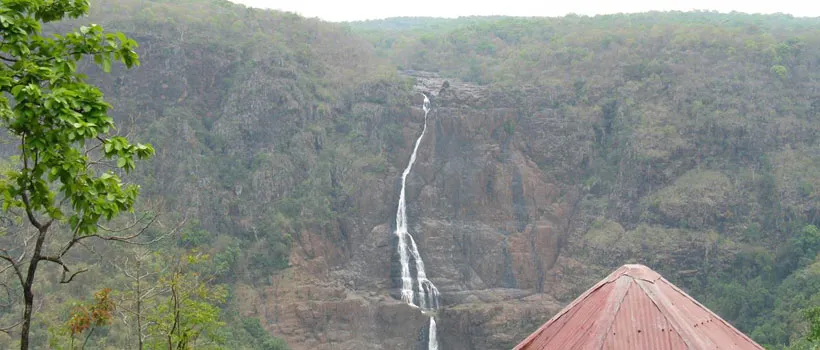
Situated inside Simlipal National Park, Barehipani Falls is among India’s tallest waterfalls but remains less visited due to its remote location.
Dense forests and wildlife make the journey especially memorable.
Best Time to Visit
October to February
How to Reach
Reach Baripada and continue by road to Simlipal.
Estimated Budget
₹4,000–₹8,000
Local Food
Pakhala Bhata, Macha Besara, and Chhena Poda.
Nearby Attractions
- Simlipal Tiger Reserve
- Joranda Falls
- Crocodile Conservation Centre
8. Khandadhar Falls, Odisha
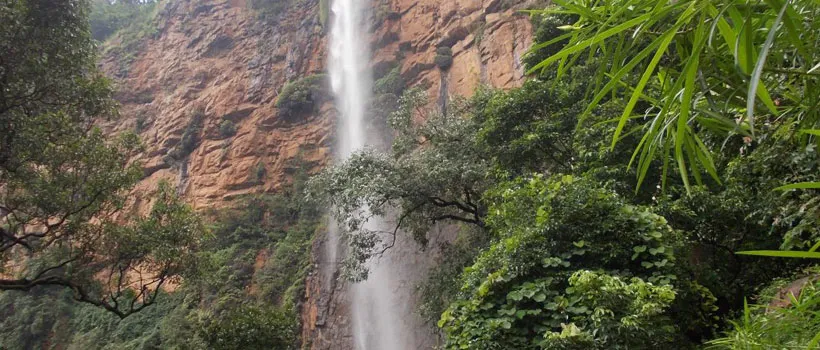
Hidden among forested hills, Khandadhar Falls offers spectacular views and peaceful surroundings.
Its nearly 244-meter drop creates a misty landscape that’s especially beautiful after rainfall.
Best Time to Visit
September to January
How to Reach
Drive from Rourkela.
Estimated Budget
₹3,000–₹6,000
Local Food
Traditional Odia meals and local sweets.
Nearby Attractions
- Koida Forest
- Darjing Hill
Best Time to Explore Hidden Waterfalls in India
The ideal season depends on the region, but generally:
- Monsoon (July–September): Waterfalls are at their fullest and most dramatic.
- Post-Monsoon (October–February): Pleasant weather, safer trekking conditions, and lush green landscapes.
- Summer (March–June): Suitable for waterfalls with perennial water flow, though some seasonal falls may have reduced water levels.
Avoid visiting during heavy rainfall when flash floods and slippery trails become common.
Essential Travel Tips
Planning ahead can make your waterfall trip safer and more enjoyable.
- Wear trekking shoes with good grip.
- Carry enough drinking water.
- Pack rain protection during monsoon.
- Start treks early in the morning.
- Keep power banks for long hikes.
- Avoid littering and respect local ecosystems.
- Check local weather forecasts before traveling.
- Hire local guides for remote waterfalls whenever possible.
Safety Tips
Many hidden waterfalls are located in remote forest areas where facilities are limited.
Follow these precautions:
- Never swim in unknown pools.
- Stay away from cliff edges.
- Avoid trekking alone.
- Inform someone about your travel plans.
- Watch for leeches during monsoon.
- Carry a basic first-aid kit.
- Follow instructions from forest authorities.
- Respect wildlife and avoid feeding animals.
Local Food Worth Trying
One of the joys of exploring hidden destinations is experiencing regional cuisine.
Depending on the state, don’t miss:
- Kerala Sadya
- Malnad cuisine
- Meghalaya’s Jadoh
- Odisha’s Pakhala Bhata
- Rajasthan’s Dal Baati Churma
- Maharashtra’s Misal Pav
- Fresh seasonal fruits from local markets
- Handmade village snacks sold near trekking routes
Supporting local eateries also helps nearby communities benefit from tourism.
Budget Guide for a Waterfall Trip
Here’s a rough estimate for a two-day trip:
| Expense | Estimated Cost |
|---|---|
| Transportation | ₹1,000–₹3,000 |
| Accommodation | ₹1,000–₹3,500 |
| Food | ₹600–₹1,500 |
| Local Transport | ₹500–₹1,500 |
| Entry Fees | ₹100–₹500 |
| Total | ₹3,200–₹10,000 |
Costs vary depending on the destination, season, and travel style.
Responsible Tourism
Many hidden waterfalls lie inside ecologically sensitive zones.
Travel responsibly by:
- Carrying reusable water bottles.
- Avoiding plastic waste.
- Staying on designated trails.
- Respecting local customs.
- Supporting local guides and homestays.
- Avoiding loud music.
- Leaving nature exactly as you found it.
Responsible travel helps preserve these destinations for future generations.
Frequently Asked Questions
1. Which is the most beautiful hidden waterfall in India?
Wei Sawdong Falls in Meghalaya is widely admired for its crystal-clear blue pools and stunning three-tier structure, while Hebbe Falls and Barehipani Falls are equally impressive for nature lovers.
2. Are hidden waterfalls safe to visit?
Yes, provided you follow safety guidelines, avoid risky swimming areas, monitor weather conditions, and stay on marked trails.
3. Which season is best for visiting hidden waterfalls?
The post-monsoon season from October to February offers the best balance of strong water flow, pleasant weather, and safer trekking conditions.
4. Do I need a guide for remote waterfalls?
For waterfalls located deep inside forests or protected areas, hiring a local guide is recommended for navigation and safety.
5. Can hidden waterfalls be visited with family?
Many waterfalls, such as Soochipara Falls and Kune Falls, are suitable for families, while others involving steep treks are better suited to experienced hikers.
Conclusion
Exploring Hidden Waterfalls in India offers much more than scenic beauty—it provides an opportunity to slow down, reconnect with nature, and experience destinations that remain untouched by mass tourism. Whether it’s the emerald forests of Karnataka, the mist-covered cliffs of Meghalaya, the serene valleys of Kerala, or the rugged landscapes of Odisha and Rajasthan, each hidden waterfall has its own unique charm.
With proper planning, responsible travel practices, and a spirit of adventure, these offbeat destinations can become some of your most memorable travel experiences. Pack your trekking shoes, keep your camera ready, and venture beyond the usual tourist trail to discover the hidden waterfalls that showcase India’s extraordinary natural beauty.